
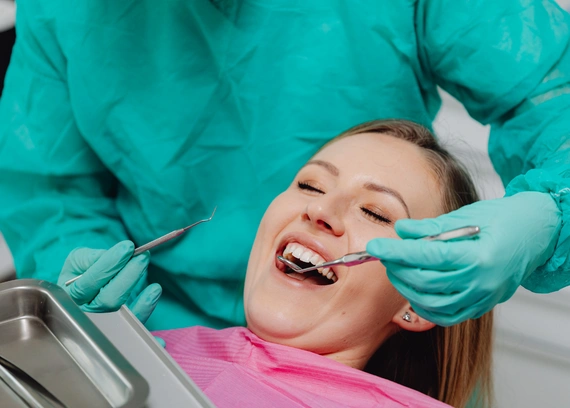
Missing even a few teeth can make simple things like eating your favorite foods or speaking clearly feel like a challenge. Many people feel a dip in their confidence when they have gaps in their smile, but they aren’t always sure which dental solution is right for them.
Dentures are a time-tested and reliable way to replace missing teeth and get your life back to normal. This guide explains exactly what dentures are, the different types available, and how they can help you smile with confidence again. It also helps you understand how denture treatment works and what to expect from the process.
What Are Dentures?
Dentures are removable dental appliances designed to look and function just like your natural teeth and gums. They are custom-made for each person to ensure a comfortable fit and a natural appearance.
- Materials: Usually made from high-quality acrylic, resin, or sometimes lightweight metal.
- Purpose: They replace missing teeth to help with chewing and prevent facial muscles from sagging.
- Customization: Your dentist takes impressions of your mouth so the dentures match your unique jaw shape.
These appliances help restore daily comfort and improve your overall quality of life. They remain a very practical and popular option for anyone dealing with tooth loss.
Types of Dentures
Different dental conditions require different solutions depending on your specific needs. Choosing the right type of denture depends on how many teeth are missing, your oral health, and your comfort preferences.
Understanding each type along with its benefits and limitations can help you make a more informed decision.
Full Dentures
Full dentures are used when all the teeth in either the upper or lower jaw are missing. They are designed to sit directly on the gums and are usually held in place by natural suction or dental adhesive.
These dentures help restore basic functions like chewing and speaking while also supporting facial structure. They are commonly recommended for individuals who have lost all their natural teeth.
Pros:
• Restore full smile and facial appearance
• Improve chewing and speech
• More affordable compared to implant options
Cons:
• May feel loose initially
• Requires adjustment period
• Less stability compared to implant-supported options
Partial Dentures
Partial dentures are used when some natural teeth are still present. They are designed to fill the gaps and are often secured with metal or flexible clasps attached to existing teeth.
These dentures help maintain proper alignment by preventing remaining teeth from shifting. They also improve chewing ability and overall appearance.
Pros:
• Preserve natural teeth
• Prevent shifting of remaining teeth
• More affordable than full replacements
Cons:
• Clasps may be slightly visible
• May feel bulky at first
• Require regular maintenance
Immediate Dentures
Immediate dentures are prepared in advance and placed immediately after tooth removal. This ensures that you are never without teeth during the healing process.
They act as a temporary solution while your gums heal and change shape. After healing, adjustments or replacements may be required for a better fit.
Pros:
• No need to go without teeth
• Helps protect gums after extraction
• Supports appearance during healing
Cons:
• May require frequent adjustments
• Fit may change as gums heal
• Usually temporary solution
Implant-Supported Dentures
Implant-supported dentures are attached to dental implants placed in the jawbone. These implants act as strong anchors, providing better stability compared to traditional dentures.
They are ideal for people who want a secure and long-term solution without worrying about dentures slipping while eating or speaking.
Pros:
• Highly stable and secure
• Improved chewing ability
• Long-lasting solution
• Feels more like natural teeth
Cons:
• Requires surgical procedure
• Higher cost
• Longer treatment time
Implant-Retained Dentures
Implant-retained dentures are similar to implant-supported ones but use special attachments that allow the dentures to snap onto implants. They can be removed easily while still offering good stability.
This option provides a balance between comfort, affordability, and functionality for many patients.
Pros:
• Better stability than traditional dentures
• Removable and easy to clean
• More comfortable fit
Cons:
• Still requires implants
• Slight movement compared to fixed options
• Maintenance required over time
Each type of denture offers different advantages depending on your needs and lifestyle. Consulting a dental professional can help you choose the most suitable option based on your oral health, comfort, and long-term goals.
How Dentures Work
Dentures are designed to mimic the role of your natural teeth by providing a surface for chewing and a structure for your lips. They are carefully fitted to ensure they stay in place during regular mouth movements.
- Support: They provide a “frame” for your cheeks and lips, keeping your face looking full and youthful.
- Function: They allow you to grind and chew food that would be impossible to eat with missing teeth.
- Adaptation: It takes a few weeks for your tongue and cheek muscles to learn how to hold them perfectly.
With a little bit of time, your mouth adapts to the new appliance. This allows you to go about your day-to-day life with total ease and comfort.
Benefits of Dentures
Choosing to get dentures offers more than just a better-looking smile. They play a huge role in your physical health and how you interact with others every day.
- Improved Appearance: They fill out your smile and support your facial structure.
- Clearer Speech: Missing teeth often cause a lisp, which dentures can quickly fix.
- Better Nutrition: You can eat a wider variety of healthy foods like fruits and vegetables.
- Boosted Confidence: You no longer have to hide your smile during photos or conversations.
These benefits make dentures a reliable and life-changing solution for many. They improve both your oral health and your daily sense of well-being.
Who May Need Dentures?
Tooth loss can happen to anyone due to a variety of reasons like aging, accidents, or health issues. Recognizing the signs early can help you get the treatment you need before more problems arise.
- Severe Decay: When teeth are too damaged to be saved by fillings or crowns.
- Gum Disease: Long-term infections that cause teeth to become loose.
- Injury: Physical trauma that results in broken or missing teeth.
If you are facing these issues, a professional consultation is the best way to confirm the right solution. Early action always leads to better and faster results.
Advantages and Limitations of Dentures
Like any medical treatment, it is important to know what to expect before you start. Understanding both the pros and cons helps you prepare for the adjustment period.
Advantages:
- Most affordable way to replace a full set of teeth.
- No surgery is required for traditional types.
- The process is relatively quick compared to other dental work.
Limitations:
- There is a learning curve for eating and speaking.
- They may need to be adjusted or “relined” as your jaw shape changes.
- They require a daily cleaning routine to stay fresh.
Knowing both sides of the coin helps you make an informed decision. Your dentist can guide you through these points based on your specific condition.
How to Care for Dentures
Proper care is the secret to making your dentures last for many years. Good habits not only protect your investment but also keep your mouth free from infections.
- Daily Brushing: Use a soft brush and non-abrasive cleaner every single day.
- Soaking: Keep them in water or a mild soaking solution overnight so they don’t dry out.
- Handle with Care: Always clean them over a towel to prevent breaking them if they drop.
Taking care of your dental appliance keeps it looking bright and feeling comfortable. It is the best way to ensure your mouth stays healthy and odor-free.
When Should You Consider Dentures?
There are several clear signs that indicate it might be time to think about getting dentures. Recognizing these symptoms early allows you to take timely action before more dental issues develop.
- Missing Multiple Teeth: If you have lost several teeth due to decay or an accident.
- Difficulty Chewing: If eating tough or crunchy foods has become painful or nearly impossible.
- Speech Issues: If gaps in your teeth are causing you to whistle or mumble when you speak.
- Changes in Facial Shape: If your cheeks are starting to look hollow because there are no teeth to support your facial muscles.
If you notice any of these signs, it is best to consult a dentist to discuss your options. Taking early action leads to much better results and a more comfortable transition to your new smile.
Book Your Appointment for Dentures
Taking the first step toward a new smile is easier than you might think. Modern dentures are more comfortable and natural-looking than ever before, providing a practical fix for missing teeth.
If you are ready to see the difference for yourself, you can book an appointment today. Getting expert advice ensures you get a personalized plan that fits your needs perfectly.
Conclusion
Understanding your options is the best way to take control of your dental health. Dentures are a simple, effective, and time-tested way to overcome the challenges of tooth loss.By restoring your smile, you also restore your ability to enjoy life to the fullest. If you have more questions about the process, feel free to contact us for more information.