
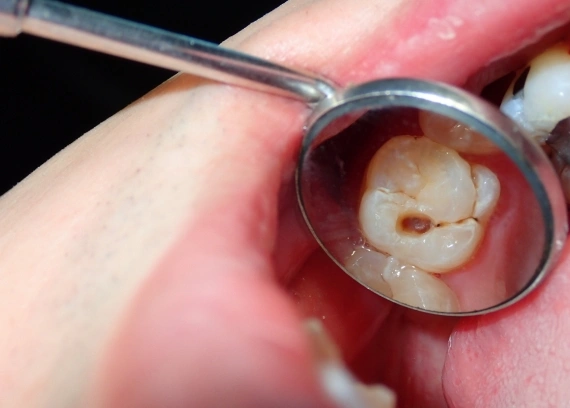
Tooth cavities often start quietly, without pain or obvious warning signs. Many people only realise something is wrong when they feel tooth sensitivity, pain while eating, or discomfort while drinking something hot or cold. By that time, the decay may already have damaged the tooth and may need professional treatment.
The good news is that cavities can often be prevented with simple daily habits and regular dental care. If you are wondering how to prevent tooth cavity, the answer starts with proper brushing, flossing, healthy food choices, and routine dental visits. Taking care of your teeth early can help you avoid pain, protect your natural teeth, and maintain a healthier smile for the long term.
What Is a Tooth Cavity?
A tooth cavity is a small damaged area or hole that forms on the surface of a tooth. It usually develops when bacteria in the mouth produce acids that slowly weaken and break down the tooth enamel. Enamel is the hard outer layer of the tooth that protects it from damage.
Cavities often start small and may not cause pain in the early stage. This is why many people do not notice them until the decay becomes deeper and starts causing sensitivity, discomfort, or toothache.
How a Tooth Cavity Develops
- Plaque Buildup: Plaque is a sticky layer of bacteria that forms on the teeth. If it is not removed properly with brushing and flossing, it can stay on the tooth surface and increase the risk of decay.
- Sugar Reaction: When you eat sugary foods or drink sweet beverages, bacteria in plaque use that sugar to produce acid. This acid can slowly damage the tooth enamel.
- Enamel Damage: Over time, repeated acid attacks weaken the enamel. Once the enamel becomes damaged, the tooth becomes more vulnerable to cavities.
- Small Holes: As the damage continues, small holes or openings can form in the tooth. These holes are called cavities and may grow bigger if not treated.
- Tooth Decay Progression: If a cavity is ignored, the decay can move deeper into the tooth and affect the inner layers. This can lead to pain, infection, and the need for more complex dental treatment.
A tooth cavity is not just a small hole in the tooth. It is a sign that bacteria and acid have started damaging the tooth structure.
Detecting and treating cavities early can help prevent pain, infection, and further tooth damage.
Common Causes of Tooth Cavities
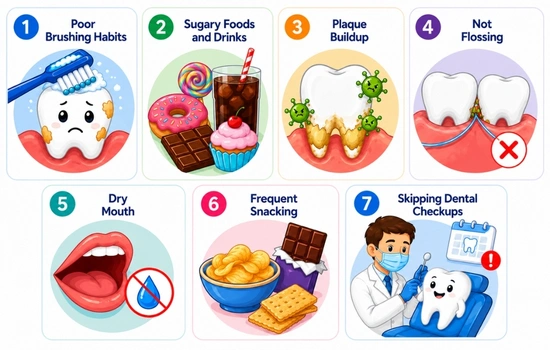
Tooth cavities usually develop when bacteria, sugar, and poor oral hygiene come together. Bacteria naturally live in the mouth, but when they mix with leftover food particles and sugar, they create acids that slowly weaken the tooth enamel. Over time, this can lead to tooth decay and cavities.
Many daily habits can increase the risk of cavities without you realising it. Understanding these causes can help you make better choices and protect your teeth before decay starts.
Poor Brushing Habits
Brushing helps remove plaque, food particles, and bacteria from the teeth. If you do not brush properly or skip brushing often, plaque can stay on the tooth surface and increase the risk of cavities.
Poor brushing habits may include:
- Brushing only once a day
- Brushing too quickly
- Missing back teeth
- Not cleaning near the gum line
- Using an old toothbrush
- Not using fluoride toothpaste
Brushing twice a day with proper technique helps reduce bacteria and protects the enamel from acid damage.
Sugary Foods and Drinks
Sugar is one of the biggest contributors to tooth cavities. When you eat sugary foods or drink sweet beverages, bacteria in the mouth use that sugar to produce acid. This acid attacks the enamel and can slowly create cavities.
Common sugary items that may increase cavity risk include:
- Soft drinks
- Sweets and chocolates
- Cakes and biscuits
- Sugary cereals
- Packaged juices
- Sweetened tea or coffee
Reducing sugar intake and rinsing your mouth with water after sugary foods can help lower the risk of tooth decay.
Plaque Buildup
Plaque is a sticky layer of bacteria that forms on the teeth every day. If it is not removed through brushing and flossing, it can continue to produce acids that damage the enamel.
Plaque often builds up in areas such as:
- Between the teeth
- Around the gum line
- Back teeth
- Around fillings or crowns
- Areas that are hard to clean
If plaque is left for too long, it can harden into tartar, which cannot be removed with normal brushing. Professional cleaning may be needed to remove it safely.
Not Flossing
Brushing cleans the surface of the teeth, but it cannot properly clean between the teeth. Food particles and plaque can get trapped in these spaces and increase the risk of cavities between teeth.
Flossing helps by:
- Removing food stuck between teeth
- Reducing plaque buildup
- Protecting the gums
- Lowering the risk of cavities between teeth
- Improving overall oral hygiene
Dry Mouth
Saliva helps protect the teeth by washing away food particles and neutralising acids in the mouth. When the mouth becomes dry, bacteria and acids can stay on the teeth for longer, increasing the risk of cavities.
Dry mouth may happen due to:
- Not drinking enough water
- Mouth breathing
- Certain medicines
- Smoking
- Health conditions
- Sleeping with the mouth open
Drinking enough water and managing dry mouth early can help protect your teeth from decay.
Frequent Snacking
Eating snacks throughout the day gives bacteria more chances to produce acid. Every time you eat, especially sugary or starchy foods, acid attacks can happen in the mouth.
Frequent snacking can be harmful when it includes:
- Chips
- Biscuits
- Sweets
- Crackers
- Sugary drinks
- Sticky snacks
It is better to limit frequent snacking and drink water after meals to help clean the mouth naturally.
Skipping Dental Checkups
Many cavities do not cause pain in the early stage, so they can go unnoticed for a long time. Skipping dental checkups may allow small decay to become a bigger problem.
Regular dental visits help with:
- Detecting cavities early
- Removing plaque and tartar
- Checking gum health
- Identifying weak enamel
- Preventing future dental problems
Tooth cavities are often caused by daily habits such as poor brushing, too much sugar, plaque buildup, not flossing, dry mouth, frequent snacking, and skipping dental visits.
The good news is that most of these causes can be controlled with better oral care and regular professional support.
How to Prevent Tooth Cavity
Preventing cavities is easier when you follow a consistent oral care routine every day. Small habits like brushing properly, flossing, drinking water, and limiting sugar can protect your teeth from plaque, bacteria, and acid damage.
If you are looking for how to prevent tooth cavity, the best approach is to combine good home care with regular dental visits. This helps keep your teeth clean, strong, and protected from decay.
| Prevention Tip | How It Helps |
| Brush Twice Daily | Brushing in the morning and before bed helps remove plaque, food particles, and bacteria from the teeth. Use gentle circular movements and clean all areas, including the back teeth and gum line. |
| Floss Every Day | Flossing removes food and plaque from between the teeth where a toothbrush cannot reach. This helps prevent cavities from forming between teeth. |
| Limit Sugary Foods | Sugar feeds bacteria in the mouth and leads to acid production. Reducing sweets, soft drinks, and sugary snacks can lower the risk of tooth decay. |
| Drink Enough Water | Water helps wash away food particles and keeps the mouth moist. It also supports saliva flow, which helps protect teeth naturally. |
| Use Fluoride Toothpaste | Fluoride helps strengthen tooth enamel and makes teeth more resistant to acid attacks. It is one of the simplest ways to support cavity prevention. |
| Clean Your Tongue | Bacteria can collect on the tongue and contribute to poor oral hygiene. Cleaning the tongue helps reduce bacteria inside the mouth. |
| Avoid Frequent Snacking | Eating too often gives bacteria more chances to produce acid. Try to keep snacks limited and rinse your mouth with water after eating. |
| Visit Dentist Regularly | Regular dental visits help detect early signs of cavities and remove plaque or tartar buildup before it causes bigger problems. |
Build a Simple Cavity Prevention Routine
A simple daily routine can make cavity prevention easier and more consistent.
- Morning: Brush your teeth with fluoride toothpaste and clean your tongue.
- After Meals: Drink water or rinse your mouth to remove food particles.
- During the Day: Limit sugary snacks and avoid sipping sweet drinks for long periods.
- Night: Brush again before bed and floss between your teeth.
- Regularly: Visit your dentist for checkups and professional cleaning.
Even if your teeth feel healthy, prevention is still important. Regular care helps avoid pain, sensitivity, and costly dental treatment later.
The best way to prevent tooth cavities is to follow a daily oral care routine and visit a dentist regularly.
Why Regular Dental Cleaning Helps Prevent Cavities
Brushing and flossing are important for keeping your teeth clean, but they may not remove all plaque from hard to reach areas. Plaque can collect between teeth, around the gum line, and behind the back teeth, where normal brushing may not clean properly.
If plaque is not removed on time, it can harden into tartar. Once tartar forms, it cannot be removed with a regular toothbrush and needs professional dental cleaning. This is why regular cleaning plays an important role in preventing cavities and maintaining better oral health.
Professional Cleaning & Prevention care can help remove plaque and tartar buildup that regular brushing may miss. It also allows the dentist to check for early signs of tooth decay before the cavity becomes painful or more serious.
- Removes Plaque: Professional cleaning removes plaque from areas that are difficult to clean at home. This helps reduce bacteria and lowers the risk of tooth decay.
- Clears Tartar: Tartar can trap bacteria and irritate the gums. Removing it helps protect both teeth and gums from future problems.
- Detects Early Decay: During a cleaning visit, the dentist can identify early signs of cavities before they become painful or require bigger treatment.
- Improves Oral Hygiene: Professional cleaning makes the mouth feel cleaner and supports better daily oral care habits.
- Protects Gum Health: Healthy gums support healthy teeth. Removing buildup around the gum line helps reduce gum irritation and inflammation.
Combined with good home care, professional cleaning can help protect your teeth, prevent decay, and maintain a healthier smile.
Signs You May Already Have a Cavity
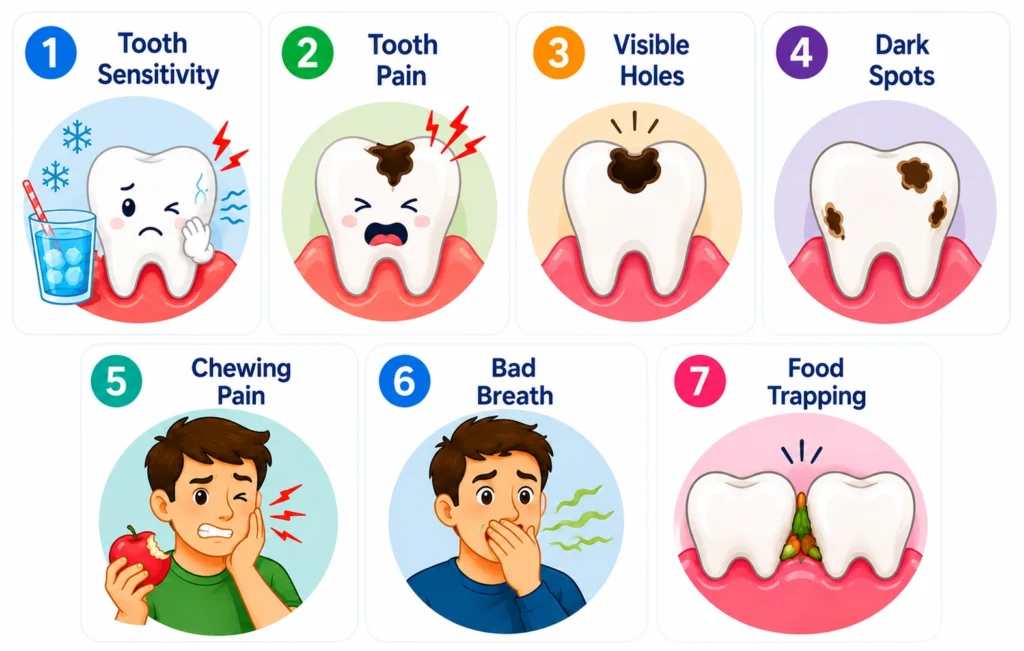
Cavities do not always cause pain in the beginning, which is why many people miss the early warning signs. Recognising these signs early can help you get treatment before the cavity becomes larger or leads to infection. Early care is usually simpler, more comfortable, and less expensive than waiting until the problem becomes serious.
- Tooth Sensitivity: Sensitivity to hot, cold, or sweet foods can be an early sign of enamel damage or tooth decay.
- Tooth Pain: Pain that comes and goes or stays for a long time may indicate that the cavity has reached deeper layers of the tooth.
- Visible Holes: Small holes, pits, or rough areas on the tooth surface can be signs of cavity formation.
- Dark Spots: Brown, black, or white spots on the tooth may indicate early or advanced tooth decay.
- Chewing Pain: Pain while biting or chewing food may suggest that the cavity has weakened the tooth structure.
- Bad Breath: Cavities can trap food particles and bacteria, which may cause unpleasant mouth odour.
- Food Trapping: If food keeps getting stuck in one tooth, it may be due to a cavity, gap, or damaged tooth surface.
If you notice any of these signs, it is better to visit a dentist before the cavity becomes worse. Early treatment can help protect the tooth, reduce pain, and prevent more serious dental problems.
What Happens If a Cavity Is Not Treated?
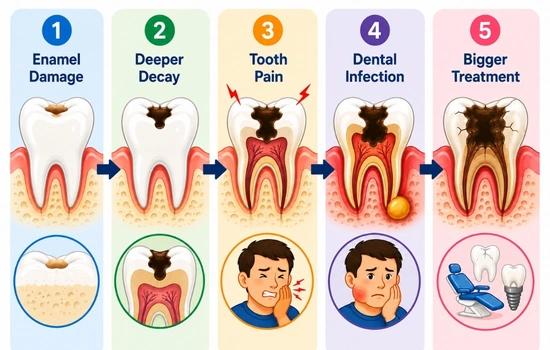
As the cavity grows, it can cause sensitivity, toothache, infection, and difficulty while eating. Treating the problem early can help avoid bigger dental procedures later.
- Enamel Damage: The cavity first affects the outer layer of the tooth called enamel. At this stage, pain may not be noticeable, but the tooth has already started weakening.
- Deeper Decay: If the cavity is ignored, the decay can move deeper into the tooth. This may cause sensitivity to hot, cold, or sweet foods.
- Tooth Pain: As the damage reaches the inner part of the tooth, pain may become more frequent. You may feel discomfort while chewing or even while resting.
- Dental Infection: Untreated decay can allow bacteria to reach the tooth nerve, leading to infection. This may cause swelling, severe pain, or a bad taste in the mouth.
- Bigger Treatment: A small cavity may only need a simple restoration, but advanced decay may require more complex treatment. In some cases, the tooth may become too damaged to save.
If decay has already damaged the tooth, a dental filling may help restore the tooth and stop further decay.
When Should You Visit a Dentist?
You should visit a dentist when you notice signs that may indicate tooth decay, gum problems, or other oral health concerns. Many dental issues begin quietly, but symptoms like sensitivity, pain, or visible spots can mean that the problem is already developing.
Professional care is important because a dentist can check areas that are not easy to see at home. A routine oral health checkup can help detect early signs of cavities, gum disease, plaque buildup, and other dental concerns before they become serious.
Signs You Should Not Ignore
- Pain or Sensitivity: Tooth pain or sensitivity to hot, cold, or sweet foods may be a sign of enamel damage, cavities, or infection.
- Bleeding Gums: Bleeding while brushing or flossing can indicate gum irritation or early gum disease.
- Visible Spots: White, brown, or black spots on the teeth may be signs of early or advanced tooth decay.
- Bad Breath: Persistent bad breath can be linked to plaque buildup, cavities, gum disease, or infection.
- Long Gap: If you have not visited a dentist in a long time, a checkup can help identify hidden dental problems early.
- Food Stuck Often: If food keeps getting trapped in the same tooth or area, it may be due to a cavity, gap, or damaged tooth surface.
If you notice any of these signs, it is better to visit a dentist before the problem becomes worse.
Conclusion
Tooth cavities can often be prevented with the right daily habits and regular dental care. Brushing twice a day, flossing daily, limiting sugary foods, drinking enough water, and using fluoride toothpaste can help protect your teeth from plaque, bacteria, and acid damage. Small steps taken every day can make a big difference in keeping your teeth strong and healthy.
If you are worried about tooth decay, sensitivity, or early signs of cavities, professional guidance can help you take the right action before the problem becomes serious. Contact Sandringham Dental for preventive dental care and a healthier smile. You can also book an appointment to get your teeth checked and receive personalised advice for better long term oral health.