
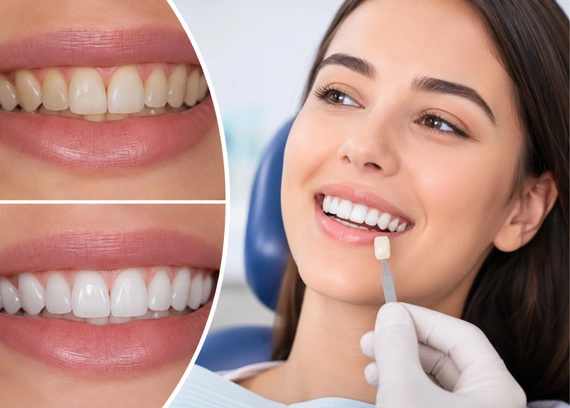
A brighter smile is something many people want, but it often comes with one important question: is teeth whitening safe? With so many whitening toothpastes, strips, gels, and home kits available, it can be difficult to know which options are effective and which ones may do more harm than good. Many people also worry about tooth sensitivity, enamel damage, or whether whitening is suitable for their teeth. Understanding the facts can help you make a confident and informed decision.
The good news is that professional teeth whitening is different from many over the counter products. When performed under the guidance of a dentist, it is designed to be both safe and effective for suitable candidates. In this guide, we’ll explain how teeth whitening works, who it is suitable for, the possible risks, and how you can achieve a brighter smile while protecting your oral health.
What Is Teeth Whitening?
Teeth whitening is a cosmetic dental treatment that helps improve the colour of your teeth by reducing stains and discoloration. It is one of the most popular ways to brighten a smile and can be carried out professionally by a dentist or with approved whitening products at home.
The treatment works by removing or reducing stains that build up over time from food, drinks, smoking, and the natural ageing process. The method used and the results achieved can vary depending on the type of whitening treatment.
How Teeth Whitening Works
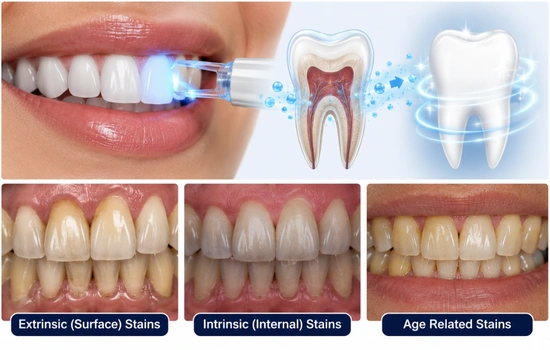
Teeth whitening uses a specially formulated whitening gel that is applied to the surface of the teeth. The active ingredients in the gel break down stain molecules, helping to make the teeth appear lighter and brighter without removing the natural tooth structure.
Teeth stains are generally grouped into three types:
- Extrinsic (Surface) Stains: These stains form on the outer enamel and are commonly caused by coffee, tea, smoking, and coloured foods. They usually respond well to teeth whitening.
- Intrinsic (Internal) Stains: These stains develop inside the tooth due to ageing, injury, certain medications, or excessive fluoride exposure. They may require professional whitening for better results.
- Age Related Stains: As enamel naturally wears down with age, the yellow dentin underneath becomes more visible, making teeth appear darker over time.
Types of Teeth Whitening
There are several teeth whitening options available, and each has its own advantages depending on your needs and oral health.
- Professional Whitening: Performed by a dentist using professional grade whitening products, this option provides safe, controlled, and more predictable results.
- Take Home Whitening Kits: These are usually supplied by a dentist and include custom trays and professional whitening gel, allowing you to whiten your teeth gradually at home.
- Over the Counter Products: Whitening toothpastes, strips, and ready made kits are widely available. While they may help with mild surface stains, they generally provide slower and less noticeable results than professional treatments.
Understanding how the treatment works and the different options available can help you choose the most suitable approach for your smile.
Is Teeth Whitening Safe?
For most people, professional teeth whitening is considered safe when performed by a qualified dentist or under their guidance. Before treatment, your dentist will check your teeth and gums to ensure whitening is suitable for you.
Using whitening products incorrectly or without professional advice may increase the risk of sensitivity or gum irritation. Following your dentist’s recommendations helps ensure safe treatment and effective results.
What Makes Professional Teeth Whitening Safe?
Professional Assessment Before Treatment
Before whitening begins, your dentist checks for cavities, gum disease, worn enamel, or other dental problems. Treating these issues first helps reduce the risk of discomfort during whitening.
Clinically Approved Whitening Ingredients
Professional whitening treatments use carefully controlled whitening gels that are tested for safety and effectiveness. The strength of the whitening agent is selected based on your individual needs.
Treatment Under Dental Supervision
A dentist carefully monitors the whitening process to ensure the treatment is carried out safely and that your teeth and gums are protected throughout the procedure.
Following the Recommended Instructions
Whether you receive in clinic whitening or a take home kit, following your dentist’s instructions is essential. Using whitening products more often or for longer than recommended will not necessarily produce better results and may increase sensitivity.
Suitable Candidates Get Better Results
Teeth whitening is most suitable for people with healthy teeth and gums. If you have untreated tooth decay, gum disease, or certain types of tooth discoloration, your dentist may recommend treating these conditions before whitening.
When carried out professionally and for the right candidate, teeth whitening is a safe and effective way to improve the appearance of your smile. A dental assessment before treatment helps ensure the procedure is both safe and capable of delivering the best possible results.
What Are the Benefits of Professional Teeth Whitening?
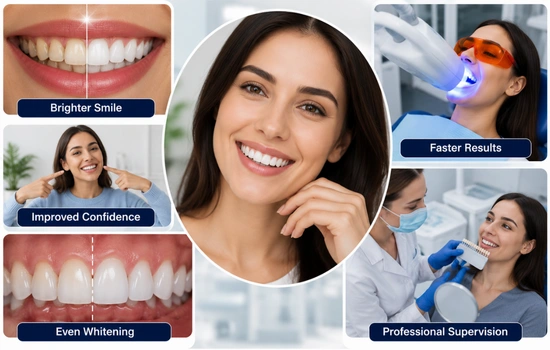
Professional teeth whitening is a popular choice for people who want to improve the appearance of their smile safely and effectively. Compared to many over the counter products, professional treatment provides more predictable and longer lasting results.
- Brighter Smile: Professional whitening helps remove stubborn stains and brighten the natural colour of your teeth.
- Improved Confidence: A whiter smile can help you feel more confident when speaking, smiling, or meeting new people.
- Even Whitening: Treatment is carefully applied to provide a more consistent and even colour across your teeth.
- Faster Results: Professional whitening can often achieve noticeable results in a shorter time than many home whitening products.
- Professional Supervision: Your dentist monitors the treatment to ensure it is safe, comfortable, and suitable for your oral health.
With expert supervision and personalised treatment, you can achieve more effective results while protecting your oral health.
Who Should Avoid Teeth Whitening?
Although teeth whitening is safe for many people, it may not be the right option for everyone. In some situations, it is better to speak with a dentist first to avoid discomfort and achieve the best possible results.
- Untreated Gum Disease: Whitening should be delayed until gum disease has been treated, as unhealthy gums may become more sensitive during the procedure.
- Tooth Decay: Cavities or damaged teeth should be treated before whitening to help prevent pain and further complications.
- Pregnancy: Teeth whitening is generally not recommended during pregnancy, as a precaution until more evidence is available.
- Very Sensitive Teeth: People with severe tooth sensitivity may need a dental assessment to determine whether whitening is suitable or if sensitivity should be managed first.
- Dental Restorations: Crowns, veneers, and fillings do not whiten like natural teeth, which may result in uneven tooth colour after treatment.
Teeth whitening is not suitable for everyone, and the safest approach is to have your oral health assessed first. A dentist can recommend the most appropriate treatment based on your individual needs and dental condition.
When Should You Speak to a Dentist?
Speaking to a dentist before teeth whitening can help ensure the treatment is safe and suitable for your smile. A professional assessment can also identify any dental problems that should be treated first.
- Sensitive Teeth: Ongoing tooth sensitivity may need to be assessed before whitening treatment.
- Gum Problems: Bleeding, swollen, or sore gums should be treated before whitening to reduce the risk of irritation.
- Tooth Pain: Pain or discomfort may indicate an underlying dental issue that requires treatment first.
- Uneven Staining: Different types of stains may respond differently to whitening, so a dentist can recommend the most suitable option.
- Previous Whitening Concerns: If you have experienced sensitivity or unsatisfactory results in the past, professional advice can help you choose a safer approach.
- Want Long Lasting Results: A dentist can recommend the most effective whitening treatment and provide advice on maintaining your results.
Before starting treatment, an oral health checkup can help determine whether teeth whitening is the right option for your oral health.
Conclusion
Professional teeth whitening is generally a safe and effective way to improve the appearance of your smile when it is carried out under the guidance of a qualified dentist. While most people can benefit from the treatment, the safety and results depend on your oral health, the type of whitening used, and following professional advice. A dental assessment helps identify any issues, such as tooth decay or gum disease, that should be treated before whitening begins.
If you are thinking about whitening your teeth, it is always best to seek professional guidance first. Contact Sandringham Dental to discuss your options, book an Oral Health Checkup, and learn whether Teeth Whitening is right for you. Our team can help you achieve a brighter smile safely. You can also make an appointment to receive personalised advice and treatment tailored to your needs.