

Have you been dealing with a toothache that just will not go away, or noticed a sharp pain whenever you eat something hot or cold?
Many people hope the discomfort will disappear on its own, so they delay visiting a dentist. Unfortunately, waiting too long can allow the problem to worsen, turning a small issue into a painful dental emergency. Recognising the signs you need a root canal early can often help save your natural tooth and prevent more extensive treatment later.
It is important to remember that not every toothache means you need a root canal, but certain symptoms should never be ignored. Persistent pain, swelling, or prolonged sensitivity may indicate that the inner part of the tooth has become infected. Professional oral health checkup can identify the cause of your symptoms and determine whether root canal treatment is the right solution to protect your oral health.
What Is a Root Canal?
A root canal is a dental procedure used to treat an infected or damaged tooth without removing it. Instead of extracting the tooth, the treatment focuses on removing the infection from inside the tooth, relieving pain, and helping preserve your natural smile.
Understanding what happens inside the tooth and why a root canal may be needed can make the treatment easier to understand and less worrying.
The Tooth Pulp
Inside every tooth is a soft tissue called the tooth pulp, which contains nerves, blood vessels, and connective tissue. The pulp helps the tooth develop during its early stages and keeps it nourished.
When the pulp becomes infected or damaged, it cannot heal on its own. Without treatment, the infection can spread, causing severe pain, swelling, and further damage to the tooth.
Why Infection Happens
The pulp can become infected when bacteria reach the inside of the tooth. This usually happens because of untreated dental problems or injuries.
Common causes include:
- Deep Tooth Decay: Large cavities can allow bacteria to reach the tooth pulp.
- Cracked or Broken Teeth: Cracks create an opening for bacteria to enter the tooth.
- Dental Trauma: An accident or injury can damage the pulp, even if the tooth does not appear broken.
How a Root Canal Helps
A root canal removes the infected pulp from inside the tooth and carefully cleans the root canals to eliminate bacteria. The space is then filled and sealed to help prevent future infection, allowing the natural tooth to remain in place.
The treatment helps by:
- Removing Infection: Clears bacteria and infected tissue from inside the tooth.
- Saving the Natural Tooth: Helps preserve your own tooth instead of removing it.
- Relieving Pain: Reduces pain, sensitivity, and discomfort caused by the infection.
Understanding how the treatment works can help you feel more confident about seeking care before the problem becomes more serious.
Common Signs You Need a Root Canal
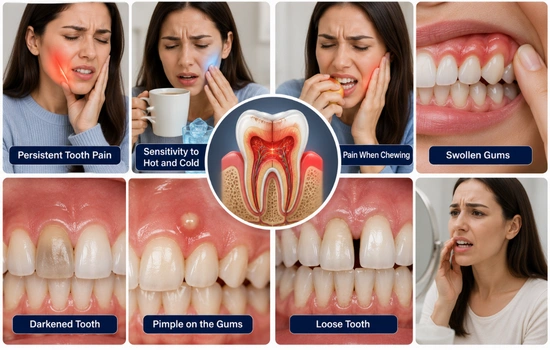
Recognising the signs you need a root canal early can help prevent the infection from spreading and increase the chances of saving your natural tooth.
Persistent Tooth Pain
Ongoing tooth pain that does not improve is one of the most common signs of an infected tooth. The pain may be constant or come and go, but it often becomes more noticeable when eating or applying pressure.
Sensitivity to Hot and Cold
If your tooth remains painful for several seconds after eating or drinking something hot or cold, it may indicate that the tooth pulp has become inflamed or infected. Persistent sensitivity should not be ignored.
Pain When Chewing
Pain while biting or chewing can occur when the infection affects the inside of the tooth or the surrounding tissues. This discomfort may become worse as the condition progresses.
Swollen Gums
Swelling or tenderness around a specific tooth can be a sign that the infection has spread beyond the tooth. In some cases, the gums may also feel sore or appear red.
Darkened Tooth
A tooth that becomes grey or darker than the surrounding teeth may indicate damage to the inner pulp. Changes in tooth colour should always be checked by a dentist.
Pimple on the Gums
A small pimple or boil on the gums near the affected tooth may be a sign of a dental abscess. It can sometimes release pus and is often linked to an underlying infection.
Loose Tooth
An infected tooth may begin to feel loose if the surrounding bone and supporting tissues are affected. Although there are other causes of loose teeth, this symptom should always be professionally assessed.
Early diagnosis and treatment can help relieve pain, prevent further infection, and improve the chances of saving your natural tooth.
What Causes a Tooth to Need a Root Canal?
Understanding the common causes can help you seek treatment early and reduce the risk of more serious dental problems.
- Deep Tooth Decay: Untreated cavities can allow bacteria to reach the tooth pulp and cause infection. Small cavities can often be treated with a dental filling , but if the decay spreads deeper, a root canal may be needed.
- Cracked Tooth: A crack or fracture in the tooth can create an opening for bacteria to enter the pulp, leading to infection and pain.
- Repeated Dental Procedures: Multiple treatments on the same tooth can weaken it and irritate the pulp, increasing the risk of inflammation or infection.
- Dental Injury: A fall, sports injury, or accident can damage the tooth pulp, even if there is no visible crack or chip on the tooth.
- Severe Gum Infection: Advanced gum disease can allow bacteria to spread around the tooth and affect the supporting tissues, which may contribute to pulp damage in some cases.
Identifying and treating these issues early can help protect your natural tooth and reduce the need for more complex treatment.
What Happens If You Ignore the Signs?
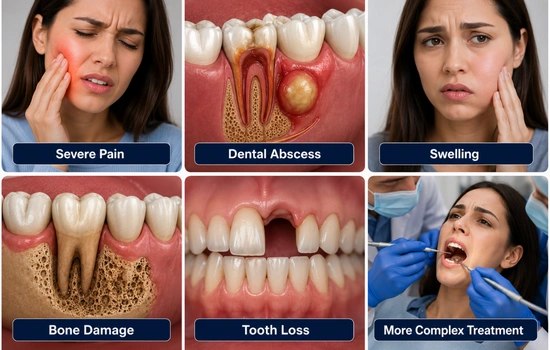
Seeking professional care early can often help save the tooth and reduce the need for more complex dental treatment.
- Severe Pain: Mild discomfort can gradually develop into intense, persistent tooth pain that affects your daily activities.
- Dental Abscess: Untreated infection may lead to an abscess, which is a pocket of pus that can cause swelling, pain, and a bad taste in the mouth.
- Swelling: The infection can spread to the gums, face, or jaw, resulting in noticeable swelling and tenderness.
- Bone Damage: If the infection continues to spread, it may damage the bone surrounding the affected tooth.
- Tooth Loss: In severe cases, the tooth may become too damaged to save and may need to be removed.
- More Complex Treatment: Delaying care can lead to more extensive and costly treatment than if the problem had been treated earlier.
Early diagnosis and treatment can help relieve pain, control the infection, and improve the chances of saving your natural tooth.
What Happens During Root Canal Treatment?
Understanding each step of the procedure can help you feel more confident and know what to expect during your appointment.
- Numbing the Tooth: The dentist begins by applying a local anaesthetic to numb the affected tooth and surrounding area, helping keep you comfortable throughout the procedure.
- Removing the Infected Pulp: A small opening is made in the tooth so the infected or damaged pulp can be carefully removed.
- Cleaning the Root Canals: The inside of the tooth and the root canals are thoroughly cleaned and disinfected to remove bacteria and reduce the risk of further infection.
- Filling the Canals: Once the canals are clean, they are filled with a special material to seal the space and help protect the tooth.
- Restoring the Tooth: After the root canal is complete, the tooth is restored with a filling or crown to strengthen it and restore normal function. Your dentist will recommend the most suitable type of root canal treatment based on your condition.
Understanding the procedure can help reduce anxiety and make it easier to seek treatment before the infection becomes more serious.
Can a Root Canal Be Prevented?
Although a root canal is an effective way to treat an infected tooth, prevention is always the better approach. By taking care of your teeth and addressing small problems early, you can significantly reduce the risk of infection reaching the tooth pulp.
Habits That Help Protect Your Teeth
- Brush and Floss Consistently: Brushing twice a day and flossing daily helps remove plaque and bacteria before they can cause tooth decay or infection.
- Don’t Ignore Small Cavities: Minor cavity may seem harmless, but if left untreated, it can grow deeper and eventually reach the tooth pulp. Early treatment is usually simpler and helps protect the natural tooth.
- Visit Your Dentist Regularly: Routine dental checkups allow your dentist to identify cavities, cracks, and other problems before they become serious enough to require a root canal.
- Protect Your Teeth From Damage: If you play contact sports or grind your teeth at night, wearing a mouthguard can help prevent cracks and injuries that may damage the tooth pulp.
- Be Careful With Hard Foods: Avoid chewing ice, hard sweets, popcorn kernels, and other hard objects that can crack or weaken your teeth.
- Maintain a Tooth Friendly Diet: Limiting sugary snacks and drinks while drinking plenty of water helps reduce bacteria and lowers the risk of tooth decay.
Small daily habits can make a big difference in protecting your teeth from infection. Looking after your oral health today can help you avoid more complex dental treatment in the future.
When Should You See a Dentist?
If you notice any of the following symptoms, it is a good idea to arrange a dental appointment.
- Tooth Pain Lasting Several Days: Ongoing or recurring tooth pain may indicate an infection that requires prompt treatment.
- Swollen Gums: Swelling around a tooth can be a sign of infection and should be examined by a dentist.
- Tooth Sensitivity: Sensitivity that lingers after hot or cold foods may indicate damage to the tooth pulp.
- Pain While Chewing: Discomfort when biting or chewing could be caused by an infected or cracked tooth.
- Broken Tooth: A chipped or broken tooth can expose the inner layers, allowing bacteria to enter and cause infection.
- Facial Swelling: Swelling in the face or jaw may indicate that the infection has spread and needs immediate dental attention.
If you experience any of these symptoms, it is best to seek professional advice as soon as possible.
Conclusion
Recognising the signs you need a root canal early can make a significant difference in protecting your natural tooth and preventing more serious dental problems. While not every toothache requires a root canal, symptoms such as persistent pain, prolonged sensitivity, swelling, or discomfort when chewing should never be ignored. Seeking treatment early often leads to better outcomes and may help avoid more complex procedures.
If you are experiencing any of these warning signs, a professional dental assessment is the best way to determine the cause and recommend the right treatment. Contact Sandringham Dental for expert advice and personalised care. Early diagnosis can help relieve pain, protect your oral health, and give you the best chance of saving your natural tooth. Make an appointment today and take the first step towards a healthier, pain free smile.