
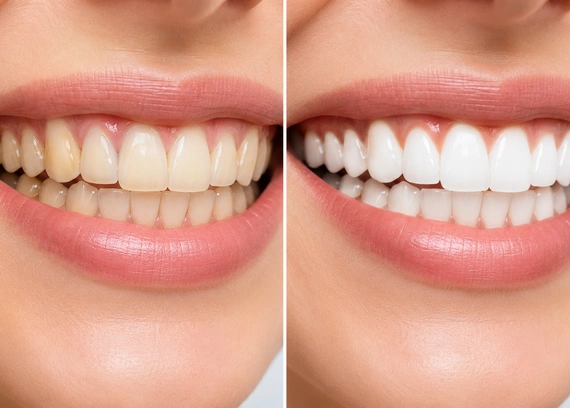
A brighter, whiter smile can boost your confidence and leave a lasting impression. With so many teeth whitening options available today, deciding between professional teeth whitening and at-home whitening kits can feel overwhelming. While both treatments aim to remove stains and improve the appearance of your teeth, they differ in terms of effectiveness, safety, treatment time, and long-term results.
This guide compares professional teeth whitening vs at-home kits to help you understand the advantages and limitations of each option. Whether you’re preparing for a special occasion or simply want to refresh your smile, knowing how these treatments work will help you choose the solution that best suits your needs.
What Is Teeth Whitening?
Teeth whitening is a cosmetic dental treatment that lightens the natural colour of your teeth by removing stains and discolouration from the enamel. Everyday habits such as drinking coffee, tea, red wine, or smoking, along with ageing, can gradually cause teeth to lose their brightness and appear yellow or stained.
There are two main teeth whitening options: professional teeth whitening performed by a dentist and at-home whitening kits that you can use yourself. While both are designed to brighten your smile, they differ in their whitening strength, safety, treatment time, and the results they deliver, making it important to choose the option that best suits your needs.
What Causes Teeth Stains?
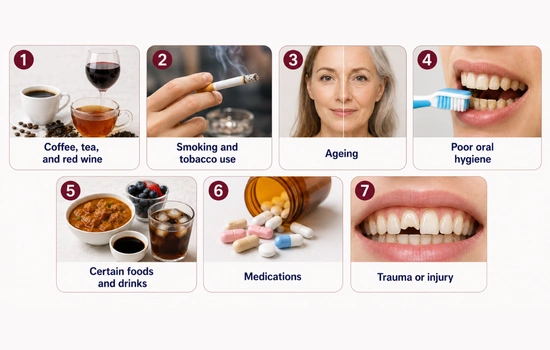
Teeth can become stained over time due to a combination of lifestyle habits, ageing, and other factors. Some stains develop on the surface of the teeth, while others occur beneath the enamel, making them more difficult to remove. Understanding the cause of your tooth discolouration can help you choose the most effective whitening treatment.
Common causes of teeth stains include:
- Coffee, tea, and red wine: Dark-coloured drinks can leave stains on tooth enamel over time.
- Smoking and tobacco use: Nicotine and tar can cause stubborn yellow or brown stains.
- Ageing: As enamel naturally wears down, the yellow dentine beneath becomes more visible.
- Poor oral hygiene: Inadequate brushing and flossing allow plaque and surface stains to build up.
- Certain foods and drinks: Highly pigmented foods, soft drinks, and berries can contribute to staining.
- Medications: Some antibiotics and medical treatments may cause internal tooth discolouration.
- Trauma or injury: Damage to a tooth can change its colour from within.
Types of Teeth Whitening
There are two main ways to whiten your teeth: professional teeth whitening performed by a dentist and at-home whitening kits that you can use yourself. Both treatments help remove stains and brighten your smile, but they differ in how they are applied, how quickly they work, and the results they provide.
Professional Teeth Whitening
Professional teeth whitening is carried out by a dentist using stronger whitening products than those available over the counter. The treatment is customised to your teeth, making it a safe and effective way to achieve a brighter smile. Many people notice a significant improvement after just one appointment.
At-Home Whitening Kits
At-home whitening kits include products such as whitening strips, gels, trays, and whitening toothpaste. They are easy to use and generally cost less than professional treatment. However, because they contain lower-strength whitening ingredients, it usually takes longer to see results, and the whitening may not be as noticeable.
Is It Better to Whiten Your Teeth at the Dentist or at Home?
Both professional teeth whitening and at-home whitening kits can help brighten your smile, but each option comes with its own advantages and limitations. The right choice depends on factors such as your budget, desired results, and how quickly you want to achieve a whiter smile.
Professional Teeth Whitening
Professional teeth whitening is performed by a dentist using high-strength whitening products and customised treatment to achieve safe and effective results.
Pros
- Faster results: Many people notice a significantly brighter smile after just one treatment.
- More effective whitening: Professional-strength whitening agents can remove deeper and more stubborn stains.
- Safer treatment: Your dentist protects your gums and monitors the whitening process throughout the procedure.
- Customised approach: Treatment is tailored to your teeth, helping to achieve even and natural-looking results.
- Long-lasting results: With good oral hygiene and regular dental care, results can last longer than many at-home options.
Cons
- Higher cost: Professional treatment is generally more expensive than over-the-counter whitening products.
- Requires a dental visit: You’ll need to schedule an appointment for the treatment.
- Temporary sensitivity: Some patients may experience mild tooth sensitivity after the procedure, but this usually settles within a few days.
At-Home Whitening Kits
At-home whitening kits include products such as whitening strips, gels, trays, and whitening toothpaste. They offer a convenient way to whiten your teeth from the comfort of your home.
Pros
- More affordable: At-home kits usually cost less than professional whitening treatments.
- Convenient: You can use the products at a time that suits your schedule.
- Easy to access: Whitening kits are widely available from pharmacies, supermarkets, and dental clinics.
- Suitable for mild stains: They can be effective for removing light surface stains with consistent use.
Cons
- Slower results: It may take several days or weeks before you notice a visible improvement.
- Less effective on deep stains: Lower-strength whitening ingredients may not produce the same results as professional treatment.
- Risk of uneven whitening: Incorrect application can lead to patchy or uneven results.
- Possible sensitivity or irritation: Overuse or improper use may cause tooth sensitivity or gum irritation.
Professional Teeth Whitening vs At-Home Kits: Quick Comparison
Choosing between professional teeth whitening and an at-home kit depends on your goals, budget, and the level of whitening you want to achieve.
| Feature | Professional Whitening | At-Home Kits |
| Treatment Time | About 60 minutes | 2–4 weeks |
| Whitening Results | Up to 8 shades brighter | 1–3 shades brighter |
| Safety | Performed by a dentist | Follow product instructions carefully |
| Comfort | Treatment adjusted for comfort | May cause temporary sensitivity |
| Treatment Plan | Customised for your smile | One-size-fits-all |
Which Teeth Whitening Option Is Right for You?
The best teeth whitening option depends on your smile goals, budget, and the type of stains you want to treat. Use the guide below to help you decide which whitening method is most suitable for your needs.
Professional Teeth Whitening May Be Right for You If You:
- Have deep or stubborn stains: More effective on stains caused by coffee, tea, wine, or smoking.
- Want fast results: Ideal if you need a brighter smile for a special occasion.
- Have sensitive teeth: Treatment can be tailored by your dentist to reduce discomfort.
- Have crowns or veneers: Your dentist can advise whether whitening is suitable.
- Want longer-lasting results: Professional treatment typically lasts longer with proper care.
At-Home Whitening Kits May Be Right for You If You:
- Have mild staining: Suitable for light surface stains.
- Want a budget-friendly option: Generally more affordable than professional treatment.
- Prefer gradual whitening: Results develop over several days or weeks.
- Need occasional touch-ups: Helps maintain whitening results between treatments.
- Have healthy teeth and gums: Best for people without untreated dental problems.
How to Maintain Your Teeth Whitening Results
Whether you choose professional teeth whitening or an at-home whitening kit, good oral care can help keep your smile brighter for longer. Following a few simple habits can reduce new stains and extend your whitening results.
To maintain your whitening results:
- Brush twice a day: Use a fluoride toothpaste to remove plaque and surface stains.
- Floss daily: Clean between your teeth to prevent plaque build-up.
- Limit stain-causing foods and drinks: Reduce coffee, tea, red wine, and dark-coloured soft drinks.
- Rinse with water after eating or drinking: This helps wash away stain-causing pigments.
- Avoid smoking and tobacco products: Tobacco is one of the leading causes of tooth discolouration.
- Visit your dentist regularly: Routine check-ups and professional cleanings help maintain a brighter smile.
- Follow your dentist’s advice: Use touch-up treatments only when recommended.
Frequently Asked Questions
1. Is professional teeth whitening better than at-home kits?
Professional teeth whitening generally provides faster, more noticeable, and longer-lasting results. At-home kits can still be effective for mild staining but usually take longer to achieve visible results.
2. How long does professional teeth whitening last?
Results can last from six months to three years, depending on your oral hygiene, diet, and lifestyle habits. Regular dental check-ups and avoiding stain-causing foods and drinks can help maintain your results.
3. Are at-home whitening kits safe?
Yes, most at-home whitening kits are safe when used according to the manufacturer’s instructions. Overuse or incorrect application may cause temporary tooth sensitivity or gum irritation.
4. Can teeth whitening remove all types of stains?
Teeth whitening is most effective on surface stains caused by coffee, tea, wine, smoking, and certain foods. Some deep or internal stains may require alternative cosmetic treatments recommended by your dentist.
Conclusion
Choosing between professional teeth whitening and at-home whitening kits depends on your smile goals, budget, and the level of whitening you want to achieve. While at-home kits offer a convenient and affordable way to improve mild staining, professional teeth whitening provides faster, safer, and more noticeable results under the care of a dental professional.
If you’re ready to achieve a brighter, more confident smile, book a consultation with our team today. We’ll assess your teeth, discuss your whitening goals, and recommend the treatment that’s best suited to your needs.