
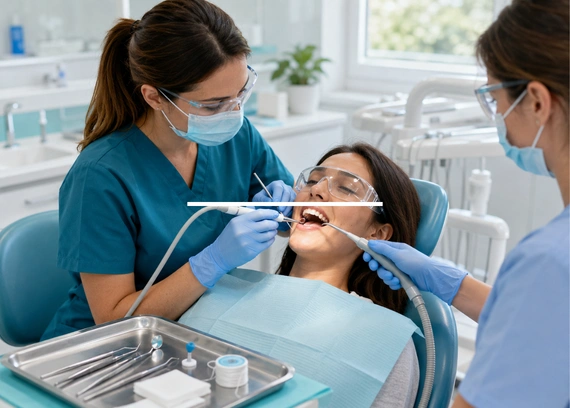
Professional teeth cleaning is an important part of maintaining good oral health. Even with regular brushing and flossing at home, plaque can build up in areas that are difficult to clean thoroughly. Over time, hardened plaque, known as tartar, can contribute to tooth decay and gum problems.
A professional cleaning helps remove this buildup and gives your dental team an opportunity to check for early signs of oral health concerns. Regular cleaning, combined with good daily oral hygiene, can help keep your teeth and gums healthy.
What Is Professional Teeth Cleaning?
Professional teeth cleaning is a routine dental procedure that helps remove plaque, tartar, and surface buildup from your teeth. Even with regular brushing and flossing, some deposits can remain in areas that are difficult to clean properly at home.
During a professional cleaning, a dental professional uses specialised instruments to carefully remove hardened tartar and plaque. The teeth are then polished to help remove some surface deposits and leave them feeling smoother and cleaner.
Professional teeth cleaning is part of preventive dental care and can help maintain healthy teeth and gums when combined with regular brushing, flossing, and routine dental check-ups.
What Happens During a Professional Teeth Cleaning?
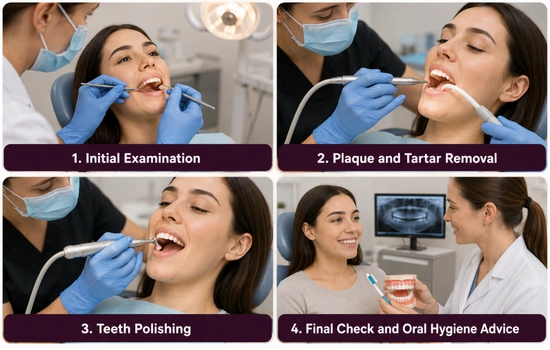
A professional teeth cleaning is usually a straightforward process designed to remove plaque and tartar while checking the overall condition of your teeth and gums. The exact steps may vary depending on your oral health needs.
1. Initial Examination
Your dental professional first checks your teeth and gums for signs of plaque buildup, tartar, gum inflammation, cavities, or other concerns. This helps determine whether a routine cleaning is suitable or if further care may be needed.
2. Plaque and Tartar Removal
Specialised dental instruments are used to remove hardened tartar and plaque from the teeth. This is particularly important because tartar cannot be completely removed with regular brushing and flossing at home.
3. Teeth Polishing
After the buildup has been removed, the teeth are polished to help clear away remaining surface deposits and leave the tooth surfaces feeling smoother and cleaner.
4. Final Check and Oral Hygiene Advice
Your dental team may check your teeth and gums again and provide advice on brushing, flossing, and other habits that can help you maintain your oral health between professional cleanings.
What Are the Benefits of Professional Teeth Cleaning?
Regular professional teeth cleaning can support your oral health by removing plaque and tartar that may be difficult to eliminate with everyday brushing and flossing.
Key benefits include:
- Helps prevent gum problems: Removing plaque and tartar can help reduce the buildup that contributes to gum inflammation and disease.
- Supports healthier teeth: Professional cleaning can help reduce deposits that contribute to tooth decay.
- Removes surface stains: Polishing can help reduce some surface staining and leave teeth looking cleaner.
- Helps maintain fresher breath: Removing accumulated plaque and tartar can help reduce sources of persistent bad breath.
- Supports early detection: Dental cleaning appointments also give your dental team an opportunity to identify signs of cavities, gum problems, or other oral health concerns early.
Regular professional cleaning works best alongside good daily brushing and flossing habits.
How Often Should You Get Your Teeth Professionally Cleaned?
The ideal cleaning schedule can vary depending on your oral health and risk factors. While many people may benefit from a professional cleaning about every six months, some patients may need visits more often.
You may need more frequent professional cleanings if you:
- Have gum disease: Regular cleaning may help manage plaque and tartar buildup.
- Are prone to cavities: More frequent visits may help monitor your teeth and reduce the risk of problems.
- Have certain health conditions: Some conditions can affect oral health and may require closer dental monitoring.
- Smoke: Smoking can increase the risk of gum problems, so your dentist may recommend more frequent cleanings.
Your dentist can assess your oral health and recommend a cleaning schedule that suits your individual needs.
How Do You Know If You Need a Dental Cleaning?
Sometimes your teeth and gums can show signs that it is time for a professional cleaning. Regular dental visits can help remove plaque and tartar buildup and allow your dental team to check for changes in your oral health.
You may need to schedule a dental cleaning if you notice:
- Bleeding or swollen gums: Gums that bleed easily or appear swollen may indicate plaque buildup or gum irritation.
- Persistent bad breath: Ongoing bad breath or an unpleasant taste can be a sign that bacteria or buildup needs professional attention.
- Visible plaque or tartar: Hardened deposits on your teeth cannot be fully removed through regular brushing and flossing.
- Gum tenderness: Sore or sensitive gums may indicate inflammation that should be checked by a dental professional.
- Receding gums: If your gums appear to be pulling away from your teeth, a dental assessment can help identify the cause.
- Tooth or gum sensitivity: Increased sensitivity may be linked to changes in your teeth or gums and should be assessed if it continues.
How Professional Teeth Cleaning Supports Your Oral Health
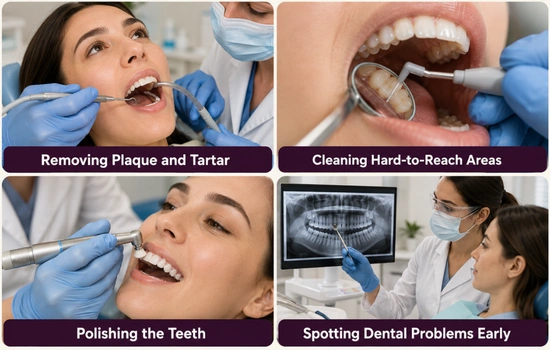
Professional teeth cleaning does more than make your teeth feel cleaner. Dental professionals use specialised tools to remove plaque and tartar from areas that can be difficult to clean properly at home. Regular cleaning also gives your dental team an opportunity to check your teeth and gums for early signs of potential problems.
Removing Plaque and Tartar
Plaque can build up on your teeth over time, and when it hardens into tartar, it cannot be removed completely with a regular toothbrush. During a professional cleaning, specialised instruments are used to carefully remove this buildup and help keep your teeth and gum line cleaner.
Cleaning Hard-to-Reach Areas
Some areas around the gum line and between teeth can be difficult to clean thoroughly at home. Professional cleaning allows your dental team to pay closer attention to these areas and remove buildup that regular brushing and flossing may miss.
Polishing the Teeth
After plaque and tartar have been removed, your teeth can be polished to help remove some surface deposits and stains. This leaves the teeth feeling smoother and cleaner.
Spotting Dental Problems Early
A cleaning appointment also gives your dental team a chance to look for changes in your oral health. They may notice signs of gum inflammation, cavities, cracks, worn enamel, or other concerns that may need further assessment.
Finding these problems early can make it easier to address them before they become more serious. Regular professional cleaning, together with good brushing and flossing at home, can help support your long-term oral health.
How to Maintain Your Oral Health Between Cleanings
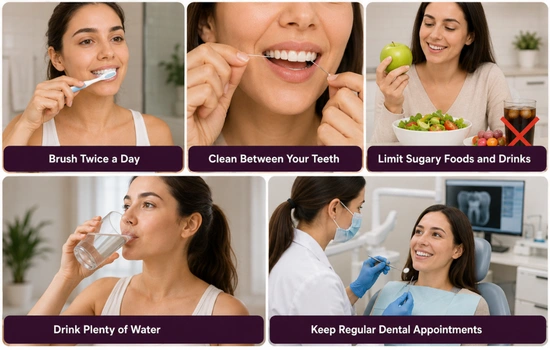
Professional teeth cleaning is only one part of maintaining good oral health. Your daily habits also play an important role in keeping plaque under control and protecting your teeth and gums between dental visits.
- Brush twice a day: Use fluoride toothpaste and brush all tooth surfaces carefully.
- Clean between your teeth: Floss or use an appropriate interdental cleaning method to remove plaque and food from areas your toothbrush cannot reach.
- Limit sugary foods and drinks: Frequent sugar intake can increase the risk of tooth decay.
- Drink plenty of water: Water helps keep your mouth hydrated and can help wash away food particles.
- Keep regular dental appointments: Routine check-ups and professional cleanings allow your dental team to monitor your oral health and recommend care when needed.
Following these simple habits regularly can help maintain the benefits of professional cleaning and support healthier teeth and gums over time.
Frequently Asked Questions
1. How often should I get my teeth professionally cleaned?
Many people benefit from a professional cleaning about every six months, but your dentist may recommend a different schedule based on your oral health and individual needs.
2. Is professional teeth cleaning painful?
A routine cleaning is generally comfortable. You may experience some sensitivity if you have sensitive teeth, inflamed gums, or significant tartar buildup.
3. Can teeth cleaning remove stains?
Professional cleaning and polishing can help remove some surface stains and leave your teeth looking cleaner. However, it is not the same as professional teeth whitening.
4. Can professional teeth cleaning prevent cavities?
Regular cleaning helps remove plaque and tartar that contribute to tooth decay. However, daily brushing, cleaning between your teeth, and a healthy diet are also important for preventing cavities.
5. Is professional cleaning necessary if I brush and floss every day?
Yes. Brushing and flossing are essential, but some tartar and buildup can still develop in hard-to-reach areas. Professional cleaning helps remove this buildup and allows your dental team to monitor your oral health.
Conclusion
Professional teeth cleaning is an important part of maintaining healthy teeth and gums. While regular brushing and flossing help keep your mouth clean every day, professional cleaning helps remove plaque and tartar that can be difficult to manage at home. Regular dental visits can also help your dental team identify potential oral health concerns early.
If it has been a while since your last cleaning, now is a good time to schedule a professional dental visit. Book an appointment with our dental team to have your teeth and gums checked and receive personalised advice for maintaining your oral health.