

Healthy gums are an important part of a healthy smile. They surround and support your teeth, help protect the tissues beneath them, and provide a strong foundation for your overall oral health. When your gums are healthy, they can help keep your teeth secure and reduce the risk of problems caused by gum disease.
Gum problems can develop gradually, and early signs are sometimes easy to overlook. Understanding what healthy gums should look and feel like, what can affect gum health, and how to care for your gums can help you take action before problems become more serious.
What Are Gums and What Do They Do?
Your gums, also called gingiva, are the soft tissues that surround and support your teeth. They work together with the bone and connective tissues around your teeth to help keep them stable and protected.
Healthy gums play several important roles in your oral health:
- Support your teeth: Gum tissue and the surrounding structures help keep your teeth firmly in place.
- Protect tooth roots: Gums cover and protect the areas around the roots from bacteria and irritation.
- Create a protective seal: Healthy gum tissue fits closely around the teeth, helping prevent bacteria from reaching deeper tissues.
- Support comfortable chewing: Healthy gums and supporting tissues help provide stability when you bite and chew.
- Protect underlying structures: Healthy gums help protect the tissues and bone that support your teeth.
- Contribute to your smile: Firm, healthy-looking gums provide an important foundation for the appearance of your smile.
Healthy gums are generally firm, comfortable, and closely fitted around the teeth. They should not regularly bleed during normal brushing or flossing.
Why Are Healthy Gums Important?
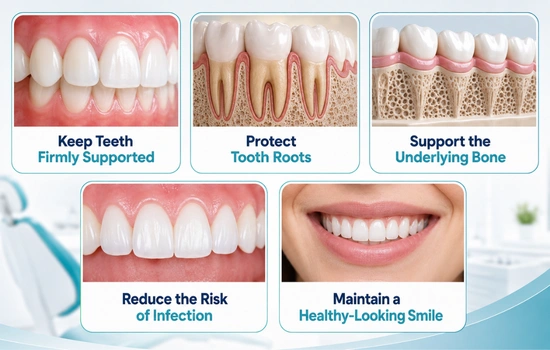
Healthy gums provide the support and protection your teeth need to remain strong and stable. Good gum health also helps create a healthier environment in your mouth and can reduce the risk of problems that may affect your teeth and supporting tissues.
Healthy gums can help:
- Keep teeth firmly supported: The gums and surrounding tissues help hold your teeth securely in place.
- Protect tooth roots: Healthy gum tissue helps shield the more sensitive areas around the roots from bacteria and irritation.
- Support the underlying bone: Healthy gums work alongside the bone and connective tissues that support your teeth.
- Reduce the risk of infection: Keeping plaque and bacteria under control can help lower the risk of gum inflammation and infection.
- Maintain a healthy-looking smile: Firm, healthy gum tissue contributes to the overall appearance and balance of your smile.
When gum health is neglected, inflammation can develop and gradually affect the tissues supporting your teeth. This is why caring for your gums is just as important as looking after your teeth.
What Happens When Gum Health Is Neglected?
Gum disease can develop gradually, and the early stages may not always cause noticeable discomfort. When plaque is not removed effectively, bacteria can build up around the gumline and trigger inflammation. Without appropriate care, this inflammation can progress and begin to affect the tissues and bone that support your teeth.
Gingivitis: The Early Stage
Gingivitis is the initial stage of gum disease and mainly affects the gum tissue. It can often be managed successfully when identified early and treated with professional care and improved oral hygiene.
Common signs include:
- Red or swollen gums
- Bleeding when brushing or flossing
- Tenderness around the gumline
- Persistent bad breath
Periodontitis: Advanced Gum Disease
If gingivitis is not addressed, it may progress to periodontitis, a more advanced form of gum disease. At this stage, the infection can affect the tissues and bone supporting the teeth.
Possible changes include:
- Gums pulling away from the teeth
- Deeper spaces developing between the gums and teeth
- Bacteria accumulating below the gumline
- Loss of supporting bone
- Teeth becoming loose or changing position
Because advanced gum disease can cause lasting damage, recognising and addressing gum problems early is important for protecting your long-term oral health.
What Causes Unhealthy Gums?

Several factors can affect gum health. Plaque and tartar buildup, oral hygiene habits, lifestyle factors, health conditions, and certain medications can all contribute to gum problems.
- Plaque and Tartar Buildup: Plaque is a sticky layer of bacteria that forms on the teeth throughout the day. If it is not removed through regular brushing and cleaning between the teeth, it can harden into tartar and irritate the gums.
- Poor Oral Hygiene: Inconsistent brushing and flossing can allow plaque to build up around the teeth and gumline. Over time, this can contribute to gum inflammation and increase the risk of gum disease.
- Smoking and Tobacco Use: Tobacco can negatively affect gum health and make it harder for the gums to heal. It is also an important risk factor for developing gum disease.
- Hormonal Changes: Changes in hormone levels during pregnancy, puberty, or menopause can make the gums more sensitive and more likely to become inflamed.
- Certain Health Conditions: Conditions such as diabetes can affect the body’s ability to manage infection and may increase the risk of gum problems. Keeping existing health conditions well managed can support better oral health.
- Stress: Long-term stress can affect the body’s immune response, which may make it harder to manage bacterial infections and maintain healthy gums.
- Teeth Grinding or Clenching: Repeated grinding or clenching can place additional pressure on the teeth and supporting tissues. Over time, this may contribute to gum recession and other oral health concerns.
- Certain Medications: Some medications can reduce saliva production and cause dry mouth. Since saliva helps wash away food particles and bacteria, reduced saliva flow may increase the risk of oral health problems.
What Do Healthy Gums Look Like?
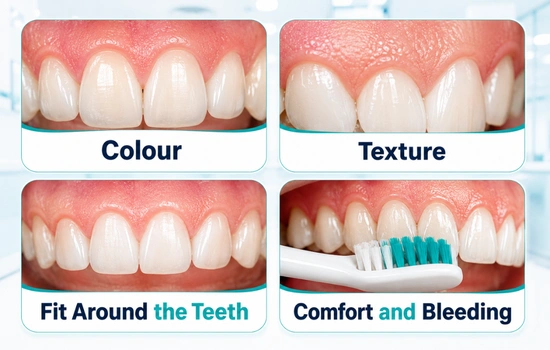
Knowing what healthy gums normally look and feel like can help you notice changes early. While gum colour and appearance can naturally vary between people, healthy gums generally have these characteristics:
- Colour: Healthy gums are usually firm and pale pink, although natural gum colour can vary. Red, dark purple, or noticeably swollen areas may indicate irritation or inflammation.
- Texture: Healthy gums should feel firm and resilient rather than soft, swollen, or unusually tender. The surface may have a naturally textured appearance.
- Fit Around the Teeth: Healthy gums should fit closely around the teeth without obvious gaps or deep spaces. Gums that appear to be pulling away from the teeth may need professional assessment.
- Comfort and Bleeding: Healthy gums should generally feel comfortable during everyday activities. Regular bleeding while brushing or flossing should not be considered normal and may indicate gum inflammation or another oral health concern.
How Can You Keep Your Gums Healthy?
Keeping your gums healthy does not require complicated routines. Consistent daily care, healthy habits, and regular professional dental visits can help control plaque and support the tissues around your teeth.
- Brush twice a day: Use a soft-bristled toothbrush and fluoride toothpaste. Brush gently along the gumline to remove plaque without irritating the gums.
- Clean between your teeth daily: Floss or use interdental brushes to remove plaque and food particles from areas your toothbrush cannot reach.
- Eat a balanced diet: A varied diet provides nutrients that support healthy gum tissue and overall oral health.
- Stay hydrated: Drinking enough water supports saliva production, which helps naturally clear food particles and bacteria from the mouth.
- Avoid tobacco products: Smoking and other tobacco products can increase the risk of gum disease and interfere with healthy gum function.
- Have regular dental check-ups: Professional examinations and cleanings help remove buildup and allow your dentist to identify gum problems early.
Good home care is important, but regular professional dental care provides an additional layer of protection and helps keep your gums and supporting tissues healthy.
Can Gum Disease Affect Your Overall Health?
Gum health is closely connected to your overall well-being. When gum disease causes ongoing inflammation, bacteria from the mouth may contribute to inflammation elsewhere in the body. Research has found associations between gum disease and several health conditions, although maintaining healthy gums does not replace medical treatment or prevent these conditions on its own.
Heart Health
Gum disease has been associated with cardiovascular conditions. Ongoing inflammation and the presence of oral bacteria may play a role in this relationship, which is one reason maintaining good oral health is important.
Diabetes
There is a strong relationship between diabetes and gum disease. People with diabetes may have a higher risk of developing gum problems, while significant gum inflammation can make blood sugar management more difficult.
Pregnancy
Hormonal changes during pregnancy can make gums more sensitive and more likely to become inflamed. Maintaining good oral hygiene and receiving appropriate dental care during pregnancy can help support healthy gums.
Respiratory Health
Oral bacteria can sometimes enter the respiratory system, particularly in people who are more vulnerable to infections. Good oral hygiene can help reduce the amount of harmful bacteria present in the mouth.
Looking after your gums is an important part of maintaining good oral health, but any concerns about your general health should also be discussed with an appropriate healthcare professional.
Can Gum Disease Be Treated?
Yes. Gum disease can often be managed effectively, particularly when it is identified early. The treatment your dentist recommends will depend on the stage and severity of the gum disease and the condition of your teeth and gums.
Treatment for Early Gum Disease
For gingivitis, treatment generally focuses on removing plaque and tartar and improving daily oral hygiene. Your dental team may recommend:
- Professional dental cleaning to remove plaque and tartar buildup.
- Improved brushing and flossing techniques to keep plaque under control at home.
- Regular monitoring to check whether the gums are responding to treatment and improving over time.
Early treatment is important because gingivitis can often be reversed when the underlying cause is addressed.
Treatment for Advanced Gum Disease
When gum disease has progressed to periodontitis, treatment may need to go beyond a routine cleaning. Depending on your individual condition, your dentist or periodontal specialist may recommend:
- Scaling and root planing: A deeper cleaning that removes plaque and tartar from below the gumline.
- Periodontal maintenance: Ongoing professional care to help control gum disease and prevent further progression.
- Management of periodontal pockets: Treatment may be needed to reduce infection and improve gum health around affected teeth.
- Regenerative procedures: In selected cases, procedures may be used to help restore damaged supporting tissues.
- Surgical periodontal treatment: More advanced cases may require surgical care when non-surgical treatment is not sufficient.
The earlier gum disease is identified, the more effectively it can generally be managed. If you notice bleeding, swelling, gum recession, persistent bad breath, or loose teeth, arrange a dental assessment rather than waiting for the problem to worsen.
Conclusion
Healthy gums provide the support and protection your teeth need and are an essential part of maintaining good oral health. Problems such as bleeding, swelling, gum recession, or persistent bad breath can be signs that your gums need professional attention.
Maintaining a consistent brushing and flossing routine, avoiding tobacco, eating a balanced diet, and keeping up with regular dental check-ups can help protect your gums over time. If you have noticed changes in your gums or are concerned about your gum health, book an appointment with our dental team for a professional assessment.