
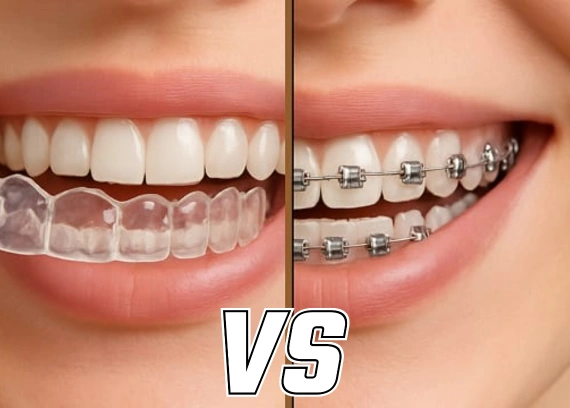
Many people want straighter teeth but feel unsure about which treatment option is right for them. Choosing between braces and clear aligners can be confusing, especially when both promise effective results but differ in comfort, appearance, and lifestyle impact. This confusion often makes it difficult to take the first step toward improving your smile.
Understanding the difference between clear aligners vs braces can help you make a more confident and informed decision. Each option has its own benefits and limitations depending on your dental needs. In this guide, you will learn how both treatments work, their advantages, and which one may be the better choice for your smile.
What Are Clear Aligners?
Clear aligners are a modern orthodontic solution designed to straighten teeth using a series of custom-made, transparent trays. These trays are created based on your teeth structure and are designed to gradually shift your teeth into the desired position over time.
One of the main advantages of clear aligners is that they are removable and almost invisible, making them a comfortable and discreet option for daily use. They allow you to eat, brush, and maintain oral hygiene easily while undergoing treatment, making them a popular choice for people looking for a flexible and convenient way to improve their smile.
| Feature | Clear Aligners | Braces |
| Appearance | Nearly invisible | Visible metal brackets and wires |
| Comfort | Smooth and comfortable | May cause irritation initially |
| Removability | Removable | Fixed and cannot be removed |
| Eating | No food restrictions | Some food restrictions apply |
| Cleaning | Easy to clean | Requires careful cleaning |
| Treatment | Best for mild to moderate cases | Suitable for all cases |
| Maintenance | Less frequent dental visits | Regular adjustments required |
Both options are effective in straightening teeth, but the right choice depends on your specific needs and preferences. Consulting a dentist can help you decide which treatment will give you the best results.
Clear Aligners vs Braces: Detailed Comparision
Braces are a traditional orthodontic treatment used to correct misaligned teeth and bite issues. They consist of small brackets that are attached to the teeth and connected with wires, which apply gentle and continuous pressure to move the teeth into the correct position over time.
Since braces are fixed to the teeth, they work consistently without needing to be removed or adjusted by the patient. They are highly effective for both simple and complex dental problems, making them a reliable option for achieving long-term alignment and improving overall oral health.
Clear Aligners vs Braces: Key Differences
Choosing between clear aligners and braces involves more than just appearance. Understanding how they differ in comfort, effectiveness, and daily use can help you make a more informed decision.
A detailed comparison gives you a clearer idea of which option suits your lifestyle and dental needs best.
Appearance
Understanding how each option looks can help you choose a treatment that fits your comfort and confidence. Appearance is often an important factor, especially for adults and professionals.
Clear Aligners: Clear aligners are made from transparent material, making them nearly invisible when worn. They are a popular choice for people who want a subtle and discreet way to straighten their teeth without drawing attention.
Braces: Braces consist of metal brackets and wires that are attached to the teeth, making them more noticeable. While they are visible, modern braces are smaller and more refined than before, offering effective results for all types of alignment issues.
Both options are effective, but your choice may depend on how important appearance is in your daily life. Selecting the right treatment helps you feel more confident throughout your orthodontic journey.
Comfort
Comfort is an important factor when choosing between aligners and braces, as the treatment lasts for several months. Understanding how each option feels can help you prepare better.
Clear Aligners: Clear aligners are made from smooth plastic, which makes them more comfortable to wear. They do not have sharp edges, so they are less likely to cause irritation to your cheeks or gums.
Braces: Braces use metal brackets and wires that may cause discomfort, especially in the initial days or after adjustments. They can sometimes irritate the inner cheeks and lips until your mouth gets used to them.
Both options may cause slight pressure as teeth shift, but overall comfort can vary depending on personal preference and adjustment period.
Removability
Removability is an important factor to consider, as it affects your daily routine, eating habits, and oral hygiene. Knowing how flexible each option is can help you choose what suits your lifestyle.
Clear Aligners: Clear aligners can be easily removed while eating, drinking, brushing, and flossing. This makes it easier to maintain oral hygiene and enjoy your meals without restrictions.
Braces: Braces are fixed to your teeth and cannot be removed during the treatment period. This means you need to be more careful with food choices and follow a proper cleaning routine.
Both options are effective, but removable aligners offer more flexibility in daily life, while fixed braces provide continuous treatment without relying on patient discipline.
Maintenance
Proper maintenance is important to keep your teeth and orthodontic appliances clean throughout the treatment. Understanding how each option affects daily care can help you manage your routine more effectively.
Clear Aligners: Clear aligners are easy to clean as they can be removed while brushing and flossing. You can maintain your regular oral hygiene routine without much difficulty, which helps keep your teeth and gums healthy.
Braces: Braces require more careful cleaning because food can get stuck around brackets and wires. You may need special brushes or tools to clean properly and avoid plaque buildup.
Both options require good hygiene habits, but aligners offer more convenience, while braces need extra attention and care.
Treatment Time
Treatment time is an important factor when choosing between aligners and braces. The duration can vary depending on the complexity of your dental condition.
Clear Aligners: Clear aligners may work faster for mild to moderate alignment issues when worn consistently. Following the recommended wearing time is important to achieve the expected results.
Braces: Braces are highly effective for complex cases and may take longer depending on the severity of the problem. However, they provide precise control over tooth movement.
Both options deliver good results, but the treatment time depends on your specific needs and how well you follow the treatment plan.
Pros and Cons of Clear Aligners
Clear aligners are a modern and flexible option for straightening teeth. They are popular for their comfort and discreet appearance, but they may not be suitable for every dental condition.
Advantages of Clear Aligners
• Nearly invisible when worn
• Removable for eating, drinking, and cleaning
• Comfortable with smooth edges
• Easier to maintain oral hygiene
• Fewer dental visits in many cases
Disadvantages of Clear Aligners
• Must be worn consistently for best results
• Not ideal for severe or complex cases
• Can be misplaced or lost easily
• Requires discipline to follow wearing schedule
• May need regular replacements of trays
Clear aligners are a convenient and comfortable option for many people. With proper use and care, they can provide effective results for suitable cases.
Pros and Cons of Braces
Braces are a traditional and reliable solution for correcting teeth alignment. They are widely used because they can handle both simple and complex dental issues effectively.
Advantages of Braces
• Suitable for both simple and complex alignment issues
• Fixed in place, so no need to remember wearing them
• Provides precise and controlled tooth movement
• Highly effective for long-term results
• Does not depend on patient discipline
Disadvantages of Braces
• More visible compared to clear aligners
• May cause discomfort, especially after adjustments
• Requires careful cleaning to maintain oral hygiene
• Food restrictions are necessary
• Brackets and wires may irritate cheeks and lips
Braces are a dependable option for achieving straight teeth. With proper care and patience, they can deliver effective and lasting results.
Which Option Is Better for You?
Choosing between clear aligners and braces depends on your dental condition, lifestyle, and personal preferences. Both options are effective, but the right choice varies based on how complex your case is and how comfortable you are with the treatment process.
Clear aligners are a good option for those who prefer a discreet and flexible solution, while braces are more suitable for complex alignment issues that require precise control. Consulting a dental professional can help you understand which option is best suited for your needs and ensure you achieve the best possible results.
Conclusion
Choosing between clear aligners vs braces depends on your individual needs, comfort, and lifestyle. Both options are effective in straightening teeth and improving overall oral health, but the right choice will vary based on the complexity of your case and your daily routine.
Understanding the differences between these treatments helps you make a confident and informed decision. Whether you prefer the flexibility of aligners or the reliability of braces, consulting a dental professional is the best way to move forward. You can book an appointment to get personalised advice and start your journey toward a healthier, more confident smile.