
Missing teeth can make everyday activities like eating, speaking, and even smiling feel difficult and uncomfortable. Many people also experience a drop in confidence because of visible gaps, which can affect both personal and social interactions. Over time, missing teeth can also lead to changes in facial structure and oral health issues, making it important to find the right solution as early as possible.
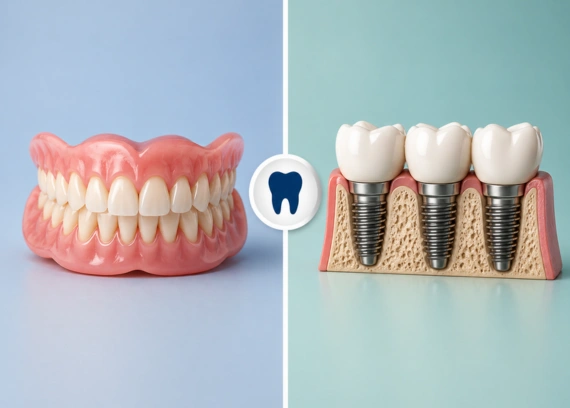
If you are considering ways to restore your smile, two of the most common options are dentures and dental implants. Both are designed to replace missing teeth and improve function, but they differ in terms of comfort, durability, and overall experience. Knowing how each option works can help you choose the one that best fits your lifestyle, budget, and long-term dental goals.
What Are Dentures?
If eating feels uncomfortable or you’ve started hiding your smile in photos, you’re not alone. This is usually the point where people begin looking for a practical way to replace missing teeth without going through something complicated.
Dentures are one of the most common solutions. They’ve been around for years, and for many people, they still do the job well when chosen and fitted properly.
Types of Dentures
Not everyone needs the same kind of denture. The type depends on how many teeth are missing and what condition your remaining teeth are in.
- Full dentures are used when all teeth in the upper or lower jaw are missing. They cover the entire gum area and rest directly on it.
- Partial dentures are used when some natural teeth are still present. They fill the gaps and are supported by your existing teeth for better stability.
Both types are made using materials like acrylic or a mix of materials to give a natural appearance and decent durability for daily use.
Who They Are Best For
Dentures work well for people who want a simple and less invasive option. They are often chosen by those who want to avoid surgery or need a quicker solution.
They are also a good fit for people who have lost multiple teeth, have limited jawbone support, or are looking for a more budget-friendly way to restore their smile.
If you want to explore options that are tailored to your needs, you can check out our custom dentures to see what might suit you best.
Dentures are a practical choice when you want to restore function without going through complex procedures. With the right fit and care, they can make daily life feel much more normal again.
What Are Dental Implants?
If you’re tired of the idea of something removable and want a solution that feels closer to real teeth, this is where dental implants come in. Many people look into this option when they want something more stable and long-lasting.
Dental implants are often chosen by those who don’t want to deal with slipping or adjusting their teeth every day. They’re designed to stay in place and work just like natural teeth.
How Dental Implants Work
The process happens in steps, and it’s more detailed than other options.
First, a small titanium screw is placed into the jawbone. This acts as the root of your new tooth. Over time, the bone naturally bonds with this screw, making it strong and stable.
After healing, a crown is attached on top. This crown is designed to look like a natural tooth, matching the shape and color of your existing teeth.
The final result feels firm when you bite or chew, almost like your original tooth.
Who They Are Best For
Dental implants are a good option for people who want something that stays fixed and doesn’t require daily removal. They suit those who are looking for long-term comfort and a natural feel.
They also work best for individuals with healthy gums and enough jawbone to support the implant. If you’re willing to go through a procedure and a short healing period, this option can be very rewarding. To understand if this option is right for you, you can explore our dental implant treatment and see how it fits your needs.
Dentures vs Dental Implants: Key Differences
This is the part most people really care about. You don’t just want to know what each option is, you want to understand how they actually feel in day-to-day life.
The difference isn’t just technical. It shows up when you eat, speak, and go about your routine. Here’s a clear side-by-side comparison to make things easier.
| Feature | Dentures | Dental Implants |
| Stability | Removable | Fixed in place |
| Comfort | Takes time to adjust | Feels more natural |
| Cost | Lower upfront | Higher upfront |
| Durability | 5 to 10 years | 15 to 25+ years |
| Maintenance | Remove and clean daily | Clean like natural teeth |
Most people don’t realize this at first. Dentures can take some getting used to, especially when it comes to movement while eating or talking. Dental implants, on the other hand, stay firmly in place, so you don’t have to think about them much once they’re done.
Both options solve the same problem, but they do it in very different ways. It really comes down to whether you prefer something simple and removable or something fixed and long-term.
Cost Comparison: Dentures vs Dental Implants
Money is usually the first thing people think about when choosing between these two. You don’t just want a solution that works, you want something that makes sense financially as well.
The tricky part is that the cheaper option at the start isn’t always the cheaper one in the long run. That’s where many people get confused.
Dentures: Lower Upfront Cost
Dentures are easier on the pocket in the beginning. There’s no surgery involved, and the process is quicker, which keeps the overall cost lower.
This makes them a popular choice for people who need a solution right away without a big financial commitment. If budget is tight, dentures often feel like the safer option.
You can explore different denture solutions to find an option that fits your budget and needs.
Dental Implants: Higher Cost but Long-Term Value
Dental implants cost more upfront because the procedure is more advanced. It involves placement, healing time, and a custom crown, which adds to the overall expense.
But here’s what many people overlook. Implants last much longer and don’t need frequent replacement. Over time, this can actually save money compared to replacing dentures every few years.
If you’re looking for something affordable right now, dentures are the easier choice. If you’re thinking long-term and want something that lasts, dental implants are worth the investment.
Pros and Cons of Dentures
Dentures are often the first option people consider because they’re simple and widely available. But once you start using them daily, you begin to notice both the benefits and the small challenges that come with them.
It’s not just about getting teeth back. It’s about how they feel during meals, conversations, and everyday life. Here’s what you should know before deciding.
Pros of Dentures
Dentures are popular for a reason. They solve the problem quickly and don’t involve complex procedures.
- Budget-friendly: Dentures are one of the most affordable ways to replace missing teeth. If you need a solution without spending too much upfront, this works well.
- Non-surgical option: There’s no need for surgery, which makes the process easier and less stressful for many people. This is especially helpful if you want to avoid medical procedures.
- Quick solution: Compared to other treatments, dentures can be made and fitted relatively fast. You won’t have to wait months to restore your smile.
Cons of Dentures
While dentures are convenient, there are a few things that can take time to get used to.
- Can slip or move: This is one of the most common complaints. While eating or speaking, dentures may shift slightly, which can feel uncomfortable at times.
- Requires regular maintenance: You need to remove them daily for cleaning and care. Skipping this can lead to hygiene issues or discomfort.
- Less natural feel: Even though they look good, they may not feel exactly like real teeth. It can take some time before they feel normal in your mouth.
Dentures are a solid choice if you want something simple, affordable, and quick. Just be prepared for a short adjustment period and regular care to keep them comfortable and effective.
Pros and Cons of Dental Implants
A lot of people look at dental implants when they’re tired of temporary fixes. The idea of having something that feels like a real tooth is what makes this option so appealing.
But before deciding, it helps to understand both sides. Implants are strong and reliable, but they do come with a process that not everyone is ready for.
Pros of Dental Implants
This is where implants really stand out. Once they’re done properly, they can feel very close to natural teeth.
- Natural look and feel: Dental implants are designed to blend in with your existing teeth. Most people forget they even have an implant after some time because it feels so normal.
- Long-lasting solution: Unlike other options, implants are built to last for many years. With good care, they can stay strong for decades without needing replacement.
- No slipping or movement: Since implants are fixed into the jawbone, they don’t move while eating or speaking. You don’t have to worry about them shifting at the wrong time.
Cons of Dental Implants
Even though implants offer great benefits, there are a few things you need to be prepared for.
- Higher cost: Implants require a bigger investment upfront. The procedure, materials, and expertise all add to the cost.
- Requires a procedure: This isn’t a simple fitting. It involves placing a post into the jaw, which means you need to be comfortable with a minor surgical process.
- Healing time is needed: After placement, your body needs time to heal and bond with the implant. This can take a few months before the final result is complete.
Dental implants are a great option if you want something stable and long-term. If you’re okay with the process and the investment, they can give you a level of comfort that’s hard to match.
Which Option Is Right for You?
This is where things get personal. What works perfectly for one person might not feel right for someone else. It’s not just about the treatment, it’s about how it fits into your daily life.
Instead of looking for a “better” option, it helps to look at what actually suits you. A few key factors can make the decision much clearer.
Budget Considerations
Let’s be honest, budget plays a big role. Some people want a quick and affordable fix, while others are okay spending more for something long-term.
If you need something cost-effective right now, dentures are easier to manage. If you’re thinking ahead and want fewer replacements later, dental implants start making more sense.
Bone Health
This is something many people don’t think about at first. Dental implants need strong jawbone support to stay in place.
If the bone is weak or has reduced over time, implants may need additional procedures. In such cases, dentures become a more straightforward option.
Lifestyle
Your daily routine matters more than you think. Some people don’t mind removing and cleaning dentures every day, while others find it inconvenient.
If you prefer something you don’t have to think about much, implants usually feel easier in the long run. They stay in place and behave more like natural teeth.
Long-Term Goals
Here’s what you should ask yourself. Do you want a quick fix, or do you want something that lasts for years without much change?
Dentures can work well for short to medium-term needs. Dental implants are better suited if you’re aiming for stability and durability over time.
Still unsure? Our experts can help you decide between dentures or implants treatment based on your needs. You can consult a dentist to understand what truly fits your situation before making a decision.
There’s no single right answer here. The best choice is the one that feels comfortable, practical, and realistic for your life. A quick consultation can often clear more doubts than hours of online research.
When Dentures Are the Better Choice
Sometimes the goal is simple. You want your teeth back without going through a long or complicated process. That’s where dentures often make more sense.
They’re not the perfect fit for everyone, but in certain situations, they solve the problem in a practical and stress-free way.
Multiple Missing Teeth
If you’ve lost several teeth or even all of them, dentures can cover a larger area easily. Instead of fixing each tooth one by one, this option replaces everything in a single solution.
This makes the process faster and less demanding, especially when compared to placing multiple implants.
Budget Constraints
Cost can’t be ignored. Not everyone wants or is able to invest in a higher-cost treatment right away.
Dentures offer a way to restore your smile without putting too much pressure on your finances. You still get function and appearance back without a big upfront commitment.
Medical Limitations
Some people are not ideal candidates for surgical procedures. Health conditions or medications can make healing slower or more complicated.
In these cases, dentures become a safer and more straightforward option since they don’t involve surgery.
Dentures work best when you need something simple, affordable, and less invasive. If your situation matches these factors, they can be a reliable way to get your smile back without unnecessary complications.
When Dental Implants Are the Better Choice
Some people don’t just want to replace missing teeth. They want something that feels solid, stays in place, and doesn’t need constant attention. That’s where dental implants stand out.
They’re not always the quickest option, but for the right person, they offer a level of comfort and stability that’s hard to match.
Single or Multiple Tooth Replacement
If you’re missing one tooth or a few in different areas, implants can replace them individually without affecting nearby teeth. You don’t have to rely on support from other teeth, which keeps things more natural.
This approach helps maintain your overall oral structure and avoids unnecessary changes to healthy teeth.
Long-Term Solution
Some people prefer fixing the problem once and not worrying about it again for years. That’s exactly what implants are built for.
With proper care, they can last a very long time, making them a strong choice if you’re thinking beyond just a quick fix.
Strong Jawbone
Implants need a solid foundation to stay stable. A healthy jawbone allows the implant to bond properly and hold firmly over time.
If your bone structure is strong, implants tend to perform better and feel more secure during daily use like eating and speaking.
Dental implants are the right choice when you want stability, durability, and a natural feel. If your oral health supports it, they can give you a result that feels close to having your original teeth back.
Conclusion
Choosing between dentures and dental implants really comes down to how you want your day-to-day life to feel. Dentures are easier to start with, more affordable, and don’t involve a procedure. Dental implants take more time and investment, but they stay fixed, feel more natural, and last much longer. Both options solve the same problem, but they do it in very different ways.
What actually matters is what fits your comfort, budget, and expectations. If you want something quick and simple, dentures can work well. If you’re looking for a long-term solution with minimal hassle later, implants are worth considering. For the right guidance based on your situation, contact for more information or book appointment with a professional to take the next step confidently.