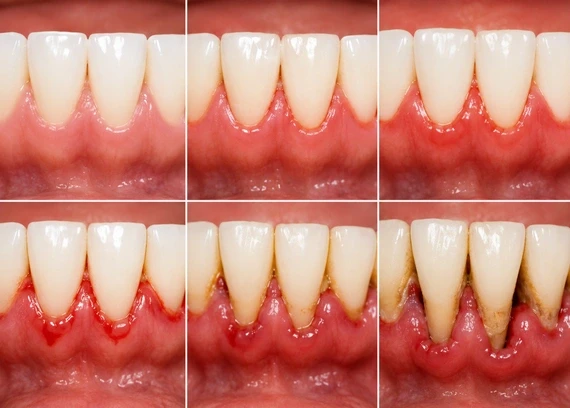
Gum disease is one of the most common oral health conditions, yet many people don’t realise they have it until the symptoms become more noticeable. In its early stages, gum disease often develops quietly, with mild signs such as bleeding gums, redness, or persistent bad breath that are easy to overlook. Ignoring these early warning signs can allow the condition to progress, increasing the risk of gum recession, bone damage, and even tooth loss over time.
The good news is that gum disease is often preventable and highly treatable when detected early. Understanding the first signs of gum disease can help you seek professional dental care before the condition becomes more serious. In this guide, we’ll explain the common symptoms, what causes gum disease, how dentists diagnose and treat it, and the simple steps you can take to keep your gums healthy for years to come.
What Is Gum Disease?
Gum disease, also known as periodontal disease, is a common oral health condition that affects the gums and the tissues supporting your teeth. It usually begins when plaque, a sticky film of bacteria builds up along the gum line due to inadequate brushing and flossing. Over time, this buildup can irritate the gums, causing inflammation, redness, swelling, and bleeding, especially during brushing or flossing.
The earliest stage of gum disease is called gingivitis, which is often reversible with professional dental care and good oral hygiene. If left untreated, it can progress to periodontitis, a more advanced stage that may damage the gums, supporting bone, and connective tissues around the teeth. Early diagnosis and treatment are essential to protect your oral health and reduce the risk of tooth loss.
7 Early Signs of Gum Disease You Shouldn’t Ignore
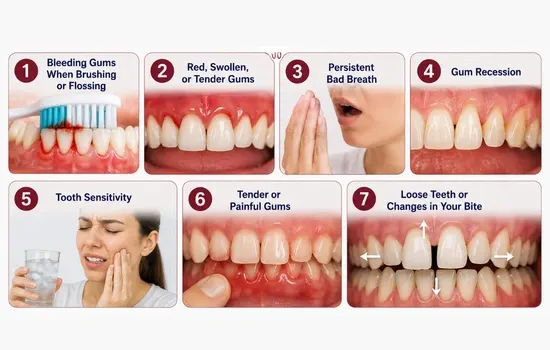
Gum disease often develops gradually, and the early symptoms can be easy to miss. Many people don’t experience pain in the beginning, making regular dental check-ups important for early detection. If you notice any of the following signs, it’s a good idea to book a dental examination before the condition worsens.
1. Bleeding Gums When Brushing or Flossing
Healthy gums should not bleed during everyday brushing or flossing. If you regularly notice blood on your toothbrush or dental floss, it may be an early sign of gum inflammation caused by plaque buildup.
Common signs include:
- Bleeding while brushing or flossing
- Blood on your toothbrush or dental floss
- Bleeding that occurs frequently
- Mild gum irritation around the gum line
2. Red, Swollen, or Tender Gums
Inflamed gums are one of the first visible signs of gum disease. Healthy gums are firm and light pink, while infected gums often appear swollen, red, and feel tender to the touch.
You may notice:
- Red or dark pink gums
- Swollen or puffy gum tissue
- Tenderness when brushing or flossing
- Mild discomfort around the gums
3. Persistent Bad Breath
Occasional bad breath is normal, but persistent bad breath that doesn’t improve with brushing or mouthwash may indicate bacteria trapped below the gum line.
Warning signs include:
- Bad breath throughout the day
- Unpleasant taste in the mouth
- Bad breath that returns quickly after brushing
- No improvement with mouthwash or mints
4. Gum Recession
As gum disease progresses, the gums may begin to pull away from the teeth, exposing more of the tooth or even the root surface.
Signs of gum recession include:
- Teeth appearing longer than before
- Small gaps near the gum line
- Increased tooth sensitivity
- Changes in the appearance of your smile
5. Tooth Sensitivity
Receding gums can expose the roots of your teeth, making them more sensitive to hot, cold, sweet, or acidic foods and drinks.
You may experience:
- Pain when eating hot or cold foods
- Sensitivity to sweet foods and drinks
- Sharp discomfort while brushing
- Ongoing tooth sensitivity without cavities
6. Tender or Painful Gums
Healthy gums shouldn’t feel sore or painful. Persistent tenderness may indicate inflammation or infection beneath the gum line.
Common symptoms include:
- Pain while brushing or flossing
- Sore gums when chewing
- Tenderness when touching the gums
- Mild swelling accompanied by discomfort
7. Loose Teeth or Changes in Your Bite
Loose teeth usually occur in the later stages of gum disease when the infection begins affecting the bone and tissues supporting the teeth.
Possible signs include:
- Teeth feeling loose or unstable
- Teeth shifting position
- Changes in the way your bite feels
- Difficulty chewing certain foods
Who Is at Higher Risk for Gum Disease?

Although gum disease can affect anyone, certain health conditions and lifestyle habits can increase your risk of developing it. Understanding these risk factors can help you take preventive steps and seek dental care before the condition becomes more serious.
You may be at a higher risk of gum disease if you:
- Smoke or use tobacco products: Smoking weakens your immune system, making it more difficult for your gums to heal and fight infection.
- Have diabetes: High blood sugar levels can increase the risk of bacterial infections, including gum disease.
- Are pregnant or experiencing hormonal changes: Hormonal fluctuations can make your gums more sensitive to plaque and bacteria.
- Have a family history of gum disease: Genetics may increase your susceptibility to periodontal disease.
- Have poor oral hygiene habits: Infrequent brushing and flossing allow plaque and bacteria to build up around the gum line.
- Take certain medications: Some medicines can reduce saliva production or affect the health of your gums.
- Experience chronic stress: Ongoing stress may weaken your immune system, making it harder for your body to fight gum infections.
How Is Gum Disease Diagnosed?
Early diagnosis is one of the most effective ways to prevent gum disease from progressing. During a routine dental examination, your dentist will carefully assess the health of your gums, teeth, and supporting structures to identify any signs of inflammation or infection.
A gum disease assessment may include:
- Gum pocket measurements: A small dental instrument is used to measure the depth of the spaces between your teeth and gums. Deeper pockets may indicate gum disease.
- Checking for bleeding and inflammation: Your dentist will examine your gums for redness, swelling, tenderness, and bleeding.
- Evaluating gum recession: The gums are checked to determine whether they have started pulling away from the teeth.
- Dental X-rays: X-rays may be taken to assess the condition of the supporting bone and detect any bone loss.
- Plaque and tartar assessment: Your dentist will examine the amount of plaque and hardened tartar around your teeth and gum line.
How Is Early Gum Disease Treated?
The treatment for early gum disease depends on how advanced the condition is. In many cases, gingivitis can be successfully treated with professional dental care and good oral hygiene habits.
Professional Dental Cleaning
A professional dental cleaning removes plaque and tartar that cannot be removed through brushing and flossing alone. This is often the first step in treating early gum disease.
Improved Oral Hygiene
Your dentist may recommend better brushing and flossing techniques to help remove plaque and keep your gums healthy.
Regular Dental Check-Ups
Routine dental visits allow your dentist to monitor your gum health and detect any problems before they become more serious.
Lifestyle Changes
Simple lifestyle changes can support healthier gums, including:
- Quit smoking: Tobacco use increases the risk of gum disease.
- Reduce sugar intake: Helps minimise plaque-causing bacteria.
- Stay hydrated: Supports saliva production and oral health.
- Manage medical conditions: Conditions such as diabetes should be kept under control.
How Can You Prevent Gum Disease?
Preventing gum disease is often easier than treating it. Following a consistent oral care routine can help keep your gums healthy and reduce the risk of infection.
Simple ways to prevent gum disease include:
- Brush twice daily: Use fluoride toothpaste to remove plaque.
- Floss every day: Clean between your teeth where a toothbrush can’t reach.
- Visit your dentist regularly: Regular check-ups help detect problems early.
- Have professional dental cleanings: Remove plaque and tartar buildup.
- Avoid tobacco products: Smoking increases the risk of gum disease.
- Maintain a healthy diet: Eat a balanced diet to support healthy teeth and gums.
Consistent oral hygiene and regular dental care are the best ways to protect your gums and maintain good oral health.
Frequently Asked Questions
1.Can gum disease go away on its own?
Early gum inflammation may improve with good oral hygiene, but professional dental treatment is often needed to remove plaque and tartar effectively. Without treatment, gum disease can continue to progress.
2.Are bleeding gums always a sign of gum disease?
Not always, but bleeding gums are one of the most common early signs of gum disease. If your gums bleed regularly while brushing or flossing, it’s best to schedule a dental check-up.
3.Is gum disease painful?
Early gum disease is usually painless, which is why many people don’t realise they have it. As the condition progresses, you may experience gum tenderness, pain while chewing, or tooth sensitivity.
4.Can gum disease cause tooth loss?
Yes. If left untreated, advanced gum disease can damage the bone and tissues supporting your teeth, causing them to become loose and eventually leading to tooth loss.
5.How often should I visit the dentist to prevent gum disease?
Most people should visit the dentist every six months for a routine check-up and professional cleaning. Your dentist may recommend more frequent visits based on your oral health needs.
Conclusion
Recognising the early signs of gum disease is the first step towards protecting your oral health. Symptoms such as bleeding gums, swollen gums, persistent bad breath, and gum recession may seem minor, but they can indicate the beginning of a condition that can worsen without timely treatment. Early diagnosis and professional care can help prevent further damage and keep your gums and teeth healthy.
If you’ve noticed any signs of gum disease or it’s been a while since your last dental check-up, don’t wait for the problem to become more serious. Book an appointment with our experienced dental team today for a comprehensive gum health assessment. We’re here to help you maintain a healthy smile with personalized care and effective treatment. Contact us today or schedule your appointment online to get started.