
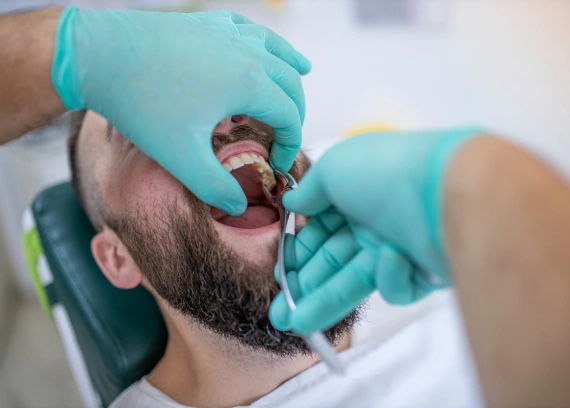
After a tooth extraction, many people feel anxious when they look at the empty space left behind. It can be confusing to know whether what you are seeing is part of normal healing or something that needs attention. Small changes in color, texture, or discomfort often raise concerns, especially if you have never experienced a tooth removal before. This uncertainty can lead to unnecessary stress and overthinking during recovery.
Understanding what a normal socket after tooth extraction looks like can make the healing process much easier to manage. In this guide, you will learn about the different healing stages, common signs of proper recovery, and warning symptoms to watch out for. This will help you stay confident, take the right care steps, and know when it is time to consult a dentist.
What Is a Tooth Extraction Socket?
When a tooth is removed, the space that remains in your gum and jawbone is called a socket. This socket is where the roots of your tooth were previously held in place. It may look like a small hole, but it is actually a sensitive area containing bone, nerves, and tissues that now need to heal properly. Many people feel concerned when they first see this space, but it is a completely normal part of the extraction process.
Right after the tooth is removed, your body forms a blood clot inside this socket. This clot plays a very important role in healing because it protects the underlying bone and nerves from exposure. It also acts as a foundation for new tissue to grow. Without this clot, the healing process can be disturbed, leading to pain and complications like dry socket.
Healing begins immediately after the extraction. Over time, the blood clot is gradually replaced by soft tissue, and then new bone starts forming underneath. The gum slowly closes over the area, reducing the size of the socket. This natural process takes time, but with proper care, the socket heals safely and effectively.
Normal Socket After Tooth Extraction Day by Day Healing
After a tooth extraction, the healing process happens step by step and each stage brings visible changes in the socket. Understanding what happens day by day can help you feel more confident and avoid unnecessary worry.
Although healing speed may vary from person to person, most people follow a similar pattern. Knowing these stages helps you identify whether your socket is healing normally.
First 24 Hours
The first day after extraction is the most important for starting the healing process. During this time, your body works quickly to protect the empty socket.
A blood clot forms inside the socket, which is essential for proper healing. You may notice mild bleeding or oozing, along with slight swelling and tenderness in the surrounding area. This is completely normal and should not be a cause for concern as long as the bleeding gradually reduces.
Days 2 to 3
By the second and third day, the initial discomfort usually begins to settle down. You may still feel some soreness, but it should be less intense than the first day.
At this stage, you might notice a white or yellowish layer forming over the socket. This is known as granulation tissue, which is a healthy sign that your body is repairing the area. Swelling may still be present, but it should not increase.
Days 4 to 7
During this period, healing becomes more noticeable and the socket starts to improve visibly. Most people experience a significant reduction in pain and discomfort.
The gum tissue begins to close over the socket slowly, making the hole appear smaller. The area feels less sensitive, and everyday activities like eating and speaking become easier. This stage indicates that recovery is progressing well.
1 to 2 Weeks
After one to two weeks, the socket shows clear signs of healing and recovery. The visible hole becomes smaller as the gum continues to grow over it.
Most of the discomfort is gone by now, and the area feels more stable. While the outer gum may look healed, deeper healing of the bone is still ongoing. This stage marks strong progress toward complete recovery.
Signs of a Normal Healing Socket
A normal healing socket shows gradual improvement over time, both in appearance and comfort. If you notice positive changes instead of worsening symptoms, it usually means your recovery is on track.
Here are the key signs of a normal healing socket:
- Dark red blood clot present: A visible blood clot inside the socket is one of the most important signs of proper healing. It protects the underlying bone and supports tissue growth.
- Mild swelling: Slight swelling around the extraction area is normal, especially in the first few days. It should slowly reduce as healing progresses.
- Gradual pain reduction: Some discomfort is expected after extraction, but the pain should decrease each day. Improving comfort is a strong sign that the socket is healing well.
- No foul smell or bad taste: A healthy socket should not produce any strong odor or unpleasant taste. This usually indicates that there is no infection present.
If your symptoms match these signs and continue to improve daily, your socket is most likely healing in a normal and healthy way.
What Does NOT Look Normal? Warning Signs
If your condition does not improve or starts getting worse after a few days, it could be a sign that something is wrong. Paying attention to these warning signs can help you take quick action and avoid further discomfort.
Here are the key signs that do not look normal:
- Severe pain after 2 to 3 days
Some discomfort is expected after extraction, but the pain should gradually decrease. If you experience intense or increasing pain after a few days, it may be a sign of a problem such as infection or dry socket. - Empty socket or missing blood clot
A healthy socket should contain a blood clot. If the socket looks empty or you can see bone, it could indicate that the clot has been dislodged. This condition is commonly
known as dry socket and requires immediate attention. - Bad taste or foul odor
A persistent bad taste or unpleasant smell coming from the extraction site is not normal. This could be a sign of infection or trapped food and bacteria in the socket. - Swelling that gets worse over time
Mild swelling is normal in the beginning, but it should reduce after a few days. If swelling increases instead of improving, it may indicate infection or delayed healing.
If you notice any of these symptoms, it is best to contact a dentist as soon as possible. Early treatment can prevent complications and ensure a smoother recovery process.
When Should You Visit a Dentist?
It is normal to experience some discomfort after a tooth extraction, but your symptoms should improve with time. If instead of getting better, your condition worsens, it may be a sign that you need professional care.
Paying attention to warning signs early can help prevent serious complications and ensure faster healing.
Situations Where You Should See a Dentist
Pain that increases instead of decreasing
Mild pain is expected, but if it becomes more intense after a few days, it could indicate a problem like dry socket or infection.
Signs of infection
Symptoms such as swelling that gets worse, pus, fever, or a bad taste in your mouth should not be ignored and require immediate attention.
Bleeding that does not stop
Some bleeding is normal in the first 24 hours, but continuous or heavy bleeding beyond that is not normal and should be checked by a dentist.
A properly performed extraction plays a key role in smooth healing. If you are planning a dental procedure or have concerns about recovery, you can explore our tooth extraction treatment service for safe and professional care.
Tips for Faster Healing After Tooth Extraction
Healing after a tooth extraction can be smooth and comfortable if you take the right steps from the beginning. Simple daily habits can make a big difference in how quickly your socket recovers.
By supporting your body’s natural healing process, you can reduce discomfort and avoid common complications.
- Drinking enough water helps your body heal faster and keeps your mouth clean. Avoid very hot drinks and skip using straws to protect the blood clot.
- Keeping your mouth clean is important, but it should be done gently. Brush your teeth carefully, avoiding the extraction area, and rinse lightly after the first 24 hours.
- Your dentist may provide specific guidelines based on your condition. Following these instructions, including medication and care tips, will help ensure proper and faster healing.
Taking these small but important steps can support a quicker recovery and help your socket heal in a healthy way pro.
Conclusion
Healing after a tooth extraction may feel uncertain at first, but understanding what is normal can make the process much less stressful. From the formation of a blood clot to gradual gum closure, each stage plays an important role in recovery. As long as your pain reduces over time and there are no unusual symptoms, your socket is likely healing properly.
However, if you notice warning signs like increasing pain, swelling, or bad taste, it is important to seek professional advice without delay. Timely care can prevent complications and ensure a smooth recovery. If you want expert guidance or need help with your dental care, you can book an appointment and get the right treatment for a safe and comfortable healing experience.