
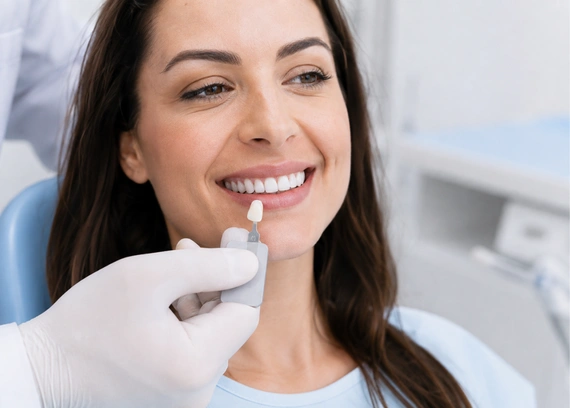
Porcelain veneers are a popular cosmetic dental treatment for improving the appearance of teeth affected by discolouration, chips, small gaps, or uneven shapes. These thin, custom-made shells are designed to fit over the front surfaces of teeth and create a more balanced, natural-looking smile.
If you are considering veneers, it is important to understand more than just the final appearance. Knowing what porcelain veneers can fix, their benefits, how the treatment works, how long they may last, and how to care for them can help you decide whether they are suitable for your smile.
What Are Porcelain Veneers?
Porcelain veneers are thin, custom-made shells made from dental porcelain that are bonded to the front surfaces of teeth. They are designed to improve the appearance of the smile by changing the colour, shape, size, or overall appearance of selected teeth.
Veneers are commonly used on visible teeth to create a more even and natural-looking smile. Each veneer is customised to suit the individual tooth and can be designed to blend with the surrounding teeth.
Because veneers are bonded to the teeth, treatment involves preparing the tooth surface to create space for the veneer and achieve a suitable fit. Your dentist will assess your teeth and gums first to determine whether veneers are an appropriate option for you.
What Can Porcelain Veneers Fix?
Porcelain veneers can improve the appearance of several cosmetic dental concerns. Because they can be customised to suit the shape and colour of your teeth, they can help create a more balanced and uniform-looking smile.
They may be used to improve:
- Discoloured teeth: Veneers can cover stains or discolouration that may not respond well to traditional whitening.
- Chipped or worn teeth: They can cover minor chips and worn edges to create a smoother tooth shape.
- Small gaps: Veneers can help improve the appearance of small spaces between visible teeth.
- Uneven tooth shapes: Teeth that appear irregular in shape, size, or length can be given a more consistent appearance.
- Minor alignment concerns: Veneers may make slightly uneven or mildly crooked teeth appear straighter, although they are not a replacement for orthodontic treatment.
The right treatment depends on the condition of your teeth, gums, bite, and the type of cosmetic change you want to achieve.
How Does the Porcelain Veneer Procedure Work?
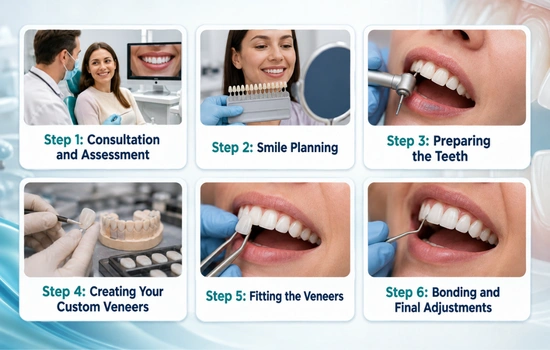
The porcelain veneer process usually involves a few stages, from your initial consultation to the final placement of your custom veneers. The exact process may vary depending on your teeth and treatment plan.
Step 1: Consultation and Assessment
Your dentist will first examine your teeth and gums and discuss your smile goals. They will determine whether porcelain veneers are suitable for you.
Your dentist may assess:
- Your overall oral health
- The condition of your teeth and gums
- Your bite and tooth alignment
- The cosmetic changes you would like to achieve
Step 2: Smile Planning
Once veneers are considered suitable, your dentist will plan the appearance of your new smile. The shape, size, colour, and overall look of the veneers can be discussed before treatment begins.
Step 3: Preparing the Teeth
A small amount of enamel may be removed from the front surface of the teeth. This creates space for the veneers and helps them sit naturally against the teeth.
Temporary veneers may be placed at this stage while your permanent veneers are being prepared.
Step 4: Creating Your Custom Veneers
Your dentist will take impressions or digital scans of your teeth. These details are used to create veneers that are customised to your individual smile.
Step 5: Fitting the Veneers
When the permanent veneers are ready, your dentist will place them on your teeth temporarily to check the:
- Fit
- Shape
- Colour
- Overall appearance
Any necessary adjustments can be made before the veneers are permanently bonded.
Step 6: Bonding and Final Adjustments
Once you and your dentist are happy with the appearance and fit, the veneers are securely bonded to the teeth. Your dentist will then check your bite and make any final adjustments needed for comfort.
The number of appointments and treatment time can vary depending on the number of veneers being placed and your individual treatment plan.
What Are the Benefits of Porcelain Veneers?
Porcelain veneers can improve several cosmetic aspects of your smile while providing a durable and natural-looking result. Because each veneer is customised, your dentist can plan the shape, colour, and overall appearance to suit your smile.
Natural-Looking Results
Porcelain is designed to closely resemble natural tooth enamel. The colour, shape, and size of each veneer can be customised so your smile looks balanced rather than artificial.
Helps Improve Multiple Cosmetic Concerns
Veneers can address several concerns at the same time, including:
- Discoloured or stained teeth
- Minor chips and worn edges
- Small gaps between teeth
- Uneven tooth shapes or sizes
- Minor cosmetic alignment concerns
Stain Resistance
Porcelain is resistant to staining, which can help your veneers maintain their appearance over time. Good oral hygiene and regular dental care are still important for protecting your veneers and the natural teeth around them.
Long-Lasting Results
Porcelain veneers can provide long-term cosmetic results when they are properly placed and cared for. Their lifespan can vary depending on factors such as oral hygiene, bite, grinding or clenching, and everyday habits.
Customised to Your Smile
Each veneer is made to fit the individual tooth. Your dentist can consider your existing teeth, facial features, and smile goals when planning the final appearance, helping create a result that looks natural and suits you.
How Long Do Porcelain Veneers Last?
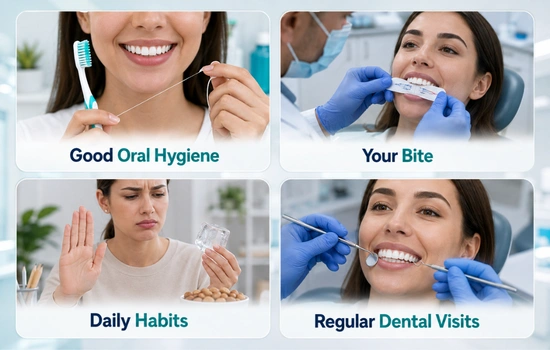
Porcelain veneers are designed to provide long-term cosmetic results, but they are not considered a lifetime treatment. How long they last can depend on the quality of the treatment, your oral health, bite, and how well you care for them.
With proper care, porcelain veneers can last many years, and some may remain in good condition for well over a decade. Regular dental check-ups can help your dentist monitor the veneers and the teeth underneath them.
Factors That Can Affect Veneer Longevity
- Good oral hygiene: Regular brushing and flossing help protect the teeth and gums supporting your veneers.
- Your bite: Grinding or clenching can place additional pressure on porcelain and increase the risk of damage.
- Daily habits: Biting ice, pens, fingernails, or other hard objects can cause veneers to chip or crack.
- Regular dental visits: Routine examinations allow your dentist to check the veneers and address small concerns early.
With consistent care and regular dental visits, you can help maintain the appearance and function of your porcelain veneers for as long as possible.
How Do You Care for Porcelain Veneers?
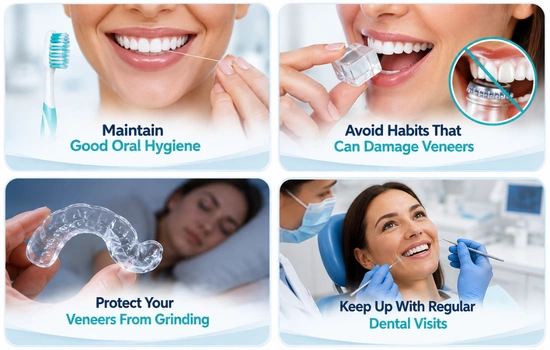
Porcelain veneers are durable, but good daily care is still important for protecting your veneers and the natural teeth underneath them. A consistent oral hygiene routine can also help keep your gums healthy and your smile looking its best.
Maintain Good Oral Hygiene
Care for your veneers much like your natural teeth:
- Brush your teeth twice a day with a soft-bristled toothbrush and non-abrasive fluoride toothpaste.
- Floss daily to clean around and between your teeth.
- Continue with your regular dental check-ups and professional cleanings.
Avoid Habits That Can Damage Veneers
Although porcelain veneers are strong, excessive force can cause them to chip or crack. Try to avoid:
- Biting ice or hard objects
- Chewing on pens or fingernails
- Using your teeth to open packages
- Other habits that place unnecessary pressure on your teeth
Protect Your Veneers From Grinding
If you grind or clench your teeth, speak with your dentist about a custom night guard. Reducing excessive pressure can help protect your veneers and extend their lifespan.
Keep Up With Regular Dental Visits
Regular dental appointments allow your dentist to check your veneers, gums, and the natural teeth underneath them. They can also identify small problems early and recommend appropriate care.
What to Expect After Getting Porcelain Veneers
Getting porcelain veneers can create a noticeable change in your smile, but your teeth may also feel slightly different immediately after treatment. Giving yourself some time to adjust can make the transition more comfortable.
Changes in Your Smile
Your veneers are made to improve the appearance of your teeth and create a more balanced smile. Depending on your treatment, you may notice improvements in:
- Tooth colour: Veneers can provide a brighter and more consistent appearance.
- Tooth shape: Uneven or irregular-looking teeth can appear more uniform.
- Chips and worn edges: Minor imperfections can be covered to create a smoother appearance.
- Overall smile: Veneers can help create a more harmonious appearance across the treated teeth.
Temporary Sensitivity or Discomfort
It is possible to experience some sensitivity after veneer treatment, particularly if the teeth have been prepared. You may notice sensitivity when consuming hot, cold, or sweet foods and drinks.
Some people may also experience mild tenderness or discomfort around the treated teeth. These effects are generally temporary and should improve as your mouth adjusts.
If sensitivity or discomfort persists, becomes severe, or concerns you, contact your dentist for an assessment.
Getting Used to Your New Veneers
Your veneers may feel unfamiliar during the first few days because the shape and surface of your teeth have changed. Most people gradually become comfortable with the new feel.
During the adjustment period, you can:
- Choose softer foods if chewing feels uncomfortable.
- Avoid foods and drinks that trigger sensitivity.
- Give yourself time to adjust to any temporary changes in speech.
- Follow the aftercare instructions provided by your dentist.
As you become accustomed to your veneers, eating, speaking, and smiling should feel more natural.
Frequently Asked Questions About Porcelain Veneers
Are porcelain veneers permanent?
Porcelain veneers are considered a long-term cosmetic treatment, but they are not designed to last forever. Their lifespan can depend on your oral hygiene, bite, daily habits, and how well you care for them.
Do porcelain veneers look natural?
Yes. Porcelain is designed to resemble natural tooth enamel, and veneers can be customised to match the colour, shape, and proportions of your smile.
Can porcelain veneers fix crooked teeth?
Veneers can improve the appearance of mildly uneven or slightly misaligned teeth. However, they do not move the teeth, so orthodontic treatment may be more suitable for significant alignment problems.
Can porcelain veneers stain?
Porcelain is generally resistant to staining. However, the natural teeth around your veneers can still become discoloured, so maintaining good oral hygiene and regular dental visits is important.
How do I know if porcelain veneers are right for me?
Your dentist will assess your teeth, gums, bite, and cosmetic goals before recommending veneers. A consultation is the best way to determine whether they are appropriate for your smile.
Conclusion
Porcelain veneers can be an effective option for improving the appearance of teeth affected by discolouration, chips, small gaps, or uneven shapes. They are custom-made to suit your smile and can provide a natural-looking result when carefully planned and maintained.
If you are considering porcelain veneers, a consultation with your dentist is the best way to understand whether they are suitable for your teeth and smile goals. Book an appointment to discuss your options and create a personalized treatment plan.