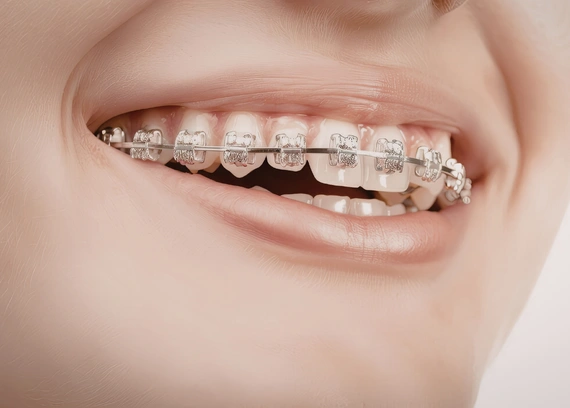
Do you feel uncomfortable smiling because your teeth look uneven or crowded? Many people ignore these small concerns, thinking they are only cosmetic, but over time they can affect chewing, speech, and overall oral health.
Recognising the early signs can help you avoid bigger dental problems later. This guide will help you understand the common signs that indicate you may need orthodontic care and when to take the next step.
Why Identifying Orthodontic Problems Early Matters
Identifying orthodontic problems early can make a big difference in how easy and effective the treatment will be. When issues like crooked teeth, crowding, or bite problems are noticed at an early stage, they can often be corrected with simpler and less time-consuming treatments. Early care helps guide the teeth and jaw into better positions as they develop, which can prevent the need for more complex procedures later in life.
Ignoring these problems may lead to bigger concerns over time, such as difficulty in cleaning teeth, higher risk of cavities and gum disease, jaw pain, or uneven wear on teeth. Early identification allows you to take the right steps before these issues affect your daily comfort and oral health. It also helps improve confidence, as addressing alignment problems sooner can lead to a healthier and more balanced smile.
10 signs that may indicate you need orthodontic care for your teeth.
Many people notice small changes in their teeth but are unsure if they need professional treatment. Understanding these signs can help you take timely action before the problem becomes more serious.
1. Crooked or Misaligned Teeth
Crooked or uneven teeth are one of the most visible signs that you may need orthodontic care. Teeth that are twisted, overlapping, or not in line can affect both your smile and your ability to clean your teeth properly.
When teeth are misaligned, it becomes difficult to brush and floss effectively, allowing plaque and bacteria to build up in hard-to-reach areas. Over time, this can increase the risk of cavities, gum disease, and bad breath, making it important to correct alignment early.
2. Crowded Teeth
Crowding happens when there is not enough space in your jaw for all your teeth to fit properly. As a result, teeth may overlap, shift, or grow at different angles.
This can make daily oral hygiene more challenging, as food particles and plaque can easily get trapped between crowded teeth. If left untreated, it may lead to gum inflammation, tooth decay, and long-term oral health issues.
3. Gaps Between Teeth
Gaps or spaces between teeth may not always cause discomfort, but they can still affect the function and balance of your bite. These spaces can also impact the overall appearance of your smile.
Food particles can easily get stuck in these gaps, which may lead to plaque buildup and gum problems over time. Closing these gaps helps improve both aesthetics and oral hygiene.
4. Overbite
An overbite occurs when the upper front teeth significantly overlap the lower front teeth. While a slight overbite is normal, a deep overbite can cause problems.
It may lead to excessive wear on the lower teeth, jaw discomfort, and even speech issues in some cases. Treating an overbite helps improve bite balance and reduces pressure on certain teeth.
5. Underbite
An underbite happens when the lower teeth extend forward beyond the upper teeth. This condition can affect both the appearance of your face and the function of your teeth.
People with an underbite may experience difficulty in biting and chewing food properly. Over time, this can lead to uneven tooth wear and jaw strain.
6. Crossbite
A crossbite occurs when some upper teeth sit inside the lower teeth instead of outside. This type of misalignment can affect both front and back teeth.
If not corrected, it can cause uneven wear on teeth, gum recession, and even bone loss in severe cases. Early treatment can help prevent these complications.
7. Difficulty in Chewing or Biting
If you find it uncomfortable or difficult to chew food, it may be due to improper alignment of your teeth. Teeth that do not meet correctly can affect how you bite and process food.
This can also lead to uneven pressure on certain teeth, increasing the risk of damage or discomfort. Proper alignment helps improve chewing efficiency and overall comfort.
8. Jaw Pain or Clicking Sounds
Frequent jaw pain, stiffness, or clicking sounds when opening or closing your mouth can indicate alignment or bite issues. These symptoms may be related to stress on the jaw joints.
Ignoring these signs can lead to long-term discomfort and difficulty in jaw movement. Orthodontic care can help improve alignment and reduce strain on the jaw.
9. Speech Difficulties
Teeth play an important role in how we pronounce words and sounds. Misaligned teeth can sometimes affect speech clarity.
People with alignment issues may struggle with certain sounds or words. Correcting the position of teeth can help improve speech and communication.
10. Frequent Biting of Cheeks or Tongue
If you often bite the inside of your cheeks or tongue, it may be due to improper alignment of your teeth. This usually happens when the bite is not correctly balanced.
Frequent biting can cause discomfort, irritation, and even small injuries inside the mouth. Addressing alignment issues can help prevent this and improve overall oral comfort.
Recognising these signs early can help you avoid more serious dental problems in the future. Taking timely action ensures better oral health, improved function, and a more confident smile.
What Should You Do If You Notice These Signs?
Noticing these signs early is a good step toward improving your oral health. Taking the right action at the right time can prevent the problem from getting worse.
Here are some simple steps you should follow:
- Don’t Ignore the Signs: Even small alignment issues can become serious over time. Early attention helps prevent bigger dental problems later.
- Maintain Good Oral Hygiene: Brush and floss regularly to keep your teeth and gums healthy. Clean teeth support better and smoother orthodontic treatment.
- Avoid Self-Diagnosis: Every dental condition is different, so avoid guessing the problem. A professional evaluation gives you the correct understanding.
- Book a Professional Consultation: Consult a dentist to check your teeth and bite alignment. You can explore orthodontic care treatment in auckland to understand the best treatment options for your needs.
- Follow the Recommended Treatment Plan: Once advised, follow the treatment plan properly. Regular checkups and consistency help achieve the best results.
Taking these simple steps can help you manage the issue early and improve your smile with confidence.
Take the Next Step Toward a Healthier Smile
Ignoring early signs of misalignment can lead to bigger dental issues over time, affecting both your oral health and confidence. By recognising these signs and taking action early, you can improve the function of your teeth and maintain a healthier smile in the long run.If you have noticed any of these signs, it is the right time to book an appointment and get professional advice. You can also explore orthodontic care treatment in Auckland to understand the best options available and start your journey toward a more confident and well-aligned smile.