
Many people live with tooth pain, bleeding gums, or sensitivity for weeks thinking the problem will go away on its own. At first, it may only feel like mild discomfort while eating or drinking, but over time these small warning signs can turn into serious dental problems that affect your daily life. Simple activities like chewing food, speaking comfortably, or even sleeping peacefully can become difficult when oral health issues are ignored for too long.
The good thing is that most dental problems can be treated early before they become painful or expensive. Paying attention to the signs your mouth gives you can help protect your teeth and gums in the long run. If you notice swelling, bad breath, tooth pain, or sensitivity, it may be the right time to schedule a professional dental checkup and prevent the problem from becoming worse.
Why You Should Never Ignore Dental Problems
Many people ignore early dental symptoms because the pain feels small or comes and goes. A little sensitivity, mild gum bleeding, or occasional tooth discomfort may not seem serious at first, but these problems often become worse over time when left untreated. What could have been solved with simple treatment may later turn into severe pain, infection, damaged teeth, or expensive dental procedures.
Your mouth usually gives warning signs before a bigger problem develops. Paying attention to these signs early can help protect your teeth, gums, and overall oral health. Visiting a dentist at the right time not only helps prevent complications but also makes treatment easier, less stressful, and more affordable in the long run. Taking action early is one of the best ways to maintain a healthy and comfortable smile.
1. Persistent Tooth Pain
Tooth pain is one of the clearest signs that something may be wrong with your oral health. Some people experience sharp pain while eating, while others feel a constant ache that makes it difficult to focus on daily activities. Even mild discomfort should not be ignored because tooth pain usually does not happen without a reason.
There are many possible causes behind persistent tooth pain, and identifying the actual problem early can help prevent further damage. In many cases, the pain becomes worse over time if proper treatment is delayed.
Common Reasons for Tooth Pain
- Tooth cavities or decay
- Cracked or damaged teeth
- Gum infections
- Worn fillings
- Tooth nerve problems
- Food trapped between teeth
- Teeth grinding during sleep
Sometimes the pain may only happen when eating hot, cold, or sweet foods. In more serious cases, the discomfort can continue throughout the day and may even disturb your sleep.
Signs You Should Not Ignore
- Pain lasting more than two days
- Swelling around the gums or jaw
- Pain while chewing food
- Sensitivity to hot or cold drinks
- Throbbing pain that keeps returning
- Fever or bad taste in the mouth
Ignoring tooth pain can lead to more serious dental problems, including infections and permanent tooth damage. Getting treatment early can reduce pain, protect your teeth, and help avoid more complicated procedures later.
2. Bleeding or Swollen Gums
Many people think bleeding gums while brushing are normal, but healthy gums should not bleed regularly. Swelling, redness, or tenderness in the gums can be early signs of gum disease that should not be ignored. When plaque and bacteria build up around the gum line, the gums can become irritated and inflamed, leading to more serious dental problems over time.
Common Signs of Gum Problems
- Bleeding while brushing or flossing
- Red or swollen gums
- Tenderness around the gums
- Bad breath that does not improve
- Receding gums
- Sensitivity near the gum line
- Loose feeling teeth in severe cases
Some people may only notice occasional bleeding, while others experience swelling or discomfort daily. Even mild symptoms should not be ignored because gum disease can gradually become worse over time.
Why Early Treatment Is Important
Gum disease not only affects your gums but can also damage the bone supporting your teeth. If left untreated, it may eventually lead to loose teeth or tooth loss. Early treatment and proper oral care can help stop the condition from progressing and improve your gum health.
3. Bad Breath That Does Not Go Away
Bad breath after eating certain foods is common, but constant bad breath may be a sign of an underlying dental problem. In many cases, plaque buildup, gum infections, tooth decay, or bacteria inside the mouth can cause ongoing mouth odour that does not improve with regular brushing.
Common Causes of Persistent Bad Breath
- Plaque and tartar buildup
- Gum disease or infections
- Tooth decay
- Food trapped between teeth
- Dry mouth
- Poor oral hygiene habits
Sometimes people continue to experience bad breath even after brushing, flossing, or using mouthwash regularly. This may indicate that the actual problem is deeper and requires professional dental care.
Why You Should Not Ignore It
Persistent bad breath can affect confidence and may also be a warning sign of gum disease or other oral health issues. Identifying the cause early can help improve both your oral hygiene and overall dental health.
If bad breath continues despite maintaining good oral care, it is important to get your teeth and gums checked by a dentist. Early treatment can help remove the cause and prevent further dental problems.
4. Sensitivity to Hot and Cold Foods
Tooth sensitivity can make simple things like drinking cold water, having hot coffee, or eating sweet foods uncomfortable. Many people experience sudden sharp pain in their teeth, especially when consuming very hot or cold items. While occasional sensitivity may seem minor, frequent discomfort can be a sign of an underlying dental problem.
Common Causes of Tooth Sensitivity
- Worn tooth enamel
- Cavities or tooth decay
- Gum recession
- Cracked or damaged teeth
- Teeth grinding
- Damaged fillings
Sensitivity usually happens when the inner part of the tooth becomes exposed due to enamel damage or gum problems. In some cases, the pain may become stronger over time if the issue is not treated properly.
Signs You Should Not Ignore
- Sharp pain while eating or drinking
- Sensitivity that lasts for several seconds
- Pain in one specific tooth
- Discomfort while brushing teeth
- Increased sensitivity over time
These symptoms may indicate deeper dental concerns that require professional attention.
5. Loose or Shifting Teeth
Adult teeth should normally feel firm and stable. If you notice a tooth becoming loose, shifting position, or small gaps forming between teeth, it may be a sign of a serious dental problem. These changes often happen slowly, which is why many people do not notice them in the early stages.
Common Causes of Loose Teeth
- Advanced gum disease
- Bone loss around the teeth
- Untreated dental infections
- Teeth grinding or clenching
- Injury or trauma to the mouth
- Poor oral hygiene over time
In many cases, gum disease weakens the support structure around the teeth, causing them to feel unstable. Some people may also experience discomfort while chewing or notice changes in their bite alignment.
Signs You Should Not Ignore
- Teeth moving while eating
- New gaps between teeth
- Swollen or bleeding gums
- Pain while biting food
- Teeth feeling unstable or weak
These symptoms should be checked by a dentist as early as possible to prevent further damage.
6. Mouth Sores That Do Not Heal
Small mouth ulcers or sores are common and usually heal within a few days. However, if a sore inside your mouth does not heal after two weeks, it should not be ignored. Persistent sores, swelling, or unusual patches inside the mouth can sometimes be signs of infection or other oral health problems.
Common Signs to Watch For
- Mouth sores lasting longer than two weeks
- White or red patches inside the mouth
- Swelling or lumps in the gums or cheeks
- Pain while eating or speaking
- Recurring ulcers or sores
- Burning or irritation inside the mouth
Some mouth sores may seem harmless in the beginning, but ongoing symptoms should always be checked professionally to identify the actual cause.
Why Early Attention Is Important
Ignoring unusual changes inside the mouth can allow the condition to become worse over time. Early examination helps detect infections, irritation, or other serious conditions before they progress further.
7. Difficulty While Chewing Food
Eating should feel comfortable and pain free, so discomfort while chewing is often a sign that something is wrong with your teeth or gums. Some people notice sharp pain while biting food, while others avoid chewing from one side of the mouth because of ongoing discomfort.
Common Causes of Chewing Pain
- Cracked or damaged teeth
- Cavities or tooth decay
- Swollen or infected gums
- Loose fillings or dental damage
- Bite alignment problems
- Tooth infections
In many cases, chewing pain starts mildly but becomes worse over time if the actual problem is not treated properly.
Signs You Should Not Ignore
- Pain while biting or chewing
- Sensitivity during meals
- Swelling around the gums
- Difficulty chewing hard foods
- Avoiding one side of the mouth while eating
These symptoms may indicate deeper dental issues that require professional attention before they become more serious.
8. Dry Mouth Problems
Saliva helps keep your mouth clean by washing away bacteria and protecting your teeth from decay. When your mouth stays dry for long periods, it can increase the risk of cavities, gum problems, and bad breath. Many people ignore dry mouth symptoms at first, but ongoing dryness can affect overall oral health.
Common Causes of Dry Mouth
- Dehydration
- Medication side effects
- Smoking or tobacco use
- Certain medical conditions
- Mouth breathing during sleep
- Excessive caffeine or alcohol consumption
A lack of saliva can make simple activities like eating, swallowing, or speaking uncomfortable. Some people may also notice a sticky feeling inside the mouth or frequent thirst throughout the day.
Signs You Should Not Ignore
- Constant dry or sticky feeling in the mouth
- Difficulty swallowing food
- Bad breath that does not improve
- Increased tooth sensitivity
- Frequent cavities or gum irritation
- Cracked lips or dry tongue
These symptoms may indicate that your mouth is not producing enough saliva to protect your teeth and gums properly.
9. Jaw Pain and Frequent Headaches
Many people do not realise that regular jaw pain and headaches can sometimes be linked to dental problems. Teeth grinding, jaw joint issues, and bite alignment problems can place extra pressure on the jaw muscles, leading to pain and discomfort throughout the day.
Common Signs of Jaw Related Problems
- Pain while chewing food
- Clicking or popping sounds in the jaw
- Tightness around the face or neck
- Frequent headaches, especially in the morning
- Difficulty opening or closing the mouth
- Jaw soreness after waking up
Some people grind or clench their teeth during sleep without even knowing it. Over time, this can strain the jaw and lead to headaches, facial pain, and discomfort while eating or speaking.
Why You Should Not Ignore It
Jaw problems can gradually become worse if they are not treated properly. Ignoring the symptoms may affect your daily comfort, sleep quality, and overall oral health.
10. You Have Not Visited a Dentist in a Long Time
Many dental problems begin silently without causing noticeable pain in the early stages. This is why regular dental visits are important even when your teeth seem healthy. Small issues like cavities, plaque buildup, or gum disease can slowly become worse if they are not detected early.
Problems That Regular Checkups Can Detect
- Tooth cavities or decay
- Gum disease
- Plaque and tartar buildup
- Early signs of infection
- Worn fillings or damaged teeth
- Oral hygiene problems
Professional dental cleanings also help remove buildup that regular brushing may miss, helping maintain healthier teeth and gums over time.
Why Delaying Dental Visits Can Be Risky
Many people wait until they experience severe pain before visiting a dentist. By that stage, the problem may already require more complex treatment. Regular checkups help identify issues early and reduce the risk of major dental complications later.
Simple Tips to Keep Your Teeth Healthy
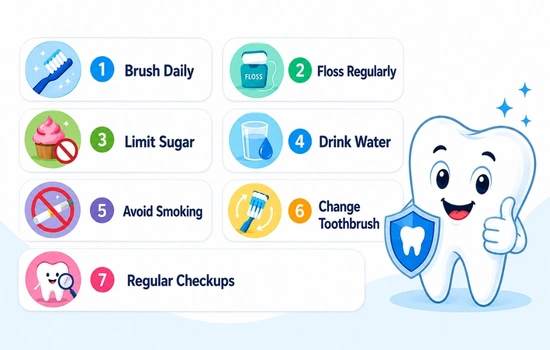
Good oral care habits can help prevent many common dental problems and keep your teeth and gums healthy for the long term. Small daily efforts can make a big difference in protecting your smile and reducing the risk of future dental issues.
- Brush Daily: Brush your teeth at least twice a day using a fluoride toothpaste. Regular brushing helps remove plaque and keeps your teeth clean and healthy.
- Floss Regularly: Flossing helps clean the spaces between teeth where a toothbrush cannot reach. It also helps reduce plaque buildup and gum problems.
- Limit Sugar: Sugary foods and drinks can increase the risk of tooth decay and cavities. Reducing sugar intake helps protect your teeth from damage.
- Drink Water: Drinking enough water helps wash away food particles and bacteria from the mouth. It also helps maintain saliva production for better oral health.
- Avoid Smoking: Smoking can increase the risk of gum disease, bad breath, and tooth staining. Avoiding tobacco products supports healthier teeth and gums.
- Change Toothbrush: Replace your toothbrush every few months or when the bristles become worn out. A clean toothbrush helps improve brushing effectiveness.
- Regular Checkups: Visiting a dentist regularly helps detect dental problems early before they become serious. Professional cleanings also help maintain better oral hygiene.
Healthy daily habits play an important role in protecting your teeth and gums from long term dental problems. Taking small steps consistently can help maintain a cleaner, healthier, and more confident smile.
Conclusion
Ignoring early dental symptoms can lead to bigger problems that affect your comfort, confidence, and overall health. Signs like tooth pain, bleeding gums, bad breath, sensitivity, or loose teeth should never be overlooked.
The earlier you address dental problems, the easier the treatment usually becomes. Professional care can help identify the cause, prevent complications, and keep your teeth healthy for years to come.
If you are experiencing any of these warning signs, it is best to contact professionals for proper dental care and treatment. You can also make an appointment to get expert support for your oral health concerns.