
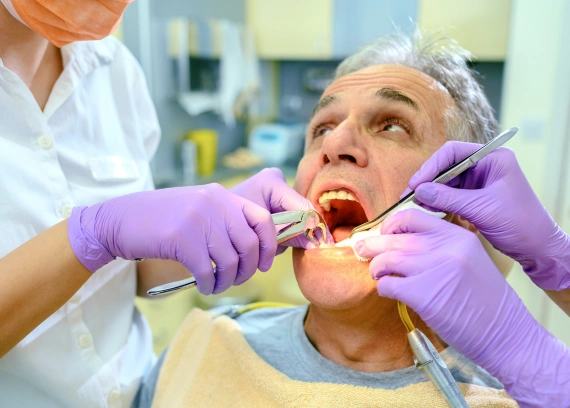
After a tooth extraction, many people feel unsure about what will happen next. Pain, swelling, and difficulty eating can make the recovery period uncomfortable, and it is common to worry about how long healing will take or whether everything is progressing normally.
Understanding the tooth extraction healing process can make recovery much easier and less stressful. When you know what to expect and how to take care of the extraction site, you can avoid complications and heal more comfortably. This guide explains each stage of healing in simple terms so you can recover with confidence.
What Happens After a Tooth Extraction?
After a tooth extraction, your body begins the healing process immediately. Understanding what happens can help you take better care of the area and avoid complications.
Here’s what typically happens after the procedure:
• A blood clot forms at the extraction site to protect the wound
• Bleeding gradually reduces within a few hours
• Mild swelling and discomfort may occur
• The surrounding tissues begin to repair themselves
• Your body starts building new tissue in the area
The blood clot plays a very important role in healing. Taking proper care of it helps prevent pain and supports faster recovery.
Tooth Extraction Healing Process
Healing does not happen all at once but in stages. Knowing what happens at each stage helps you stay prepared and reduces unnecessary worry.
Each phase of healing plays an important role in restoring your gums and overall oral health.
First 24 Hours
During the first day, a blood clot forms at the extraction site and bleeding gradually stops. Mild swelling and discomfort are common, and you may feel slight soreness in the area.
Rest is very important during this time. Avoid touching the area and follow your dentist’s instructions carefully to protect the clot and support early healing.
2 to 3 Days After Extraction
Swelling may increase slightly during this period, and you might feel some discomfort while eating or speaking. This is a normal part of the healing process.
Applying cold compresses and eating soft foods can help reduce swelling. Taking proper care during these days helps prevent complications and improves comfort.
1 Week After Extraction
By the end of the first week, the gums begin to heal, and pain usually reduces significantly. You may start feeling more comfortable while eating and speaking.
Even if you feel better, it is important to continue being careful with your diet and oral hygiene. Proper care ensures that healing continues smoothly.
Factors That Affect Healing Time
Healing time is not the same for everyone. Several factors can influence how quickly your body recovers after a tooth extraction.
Understanding these factors can help you take better care of yourself and avoid delays in healing.
• Your overall health and immune system
• Oral hygiene habits
• Smoking or alcohol consumption
• Type of extraction performed
• Following aftercare instructions
Taking care of these factors can help speed up your recovery. Good habits support faster healing and reduce the risk of complications.
Tips for Faster Healing After Tooth Extraction
Simple care steps can make a big difference in how quickly and comfortably you recover. Following the right habits helps protect the extraction site and supports healing.
Being consistent with these tips can help you avoid pain and recover more smoothly.
• Eat soft and nutritious foods
• Stay hydrated without using a straw
• Maintain gentle oral hygiene
• Avoid smoking and alcohol
• Get enough rest
These small steps help your body heal naturally. Proper care ensures a smoother and more comfortable recovery process.
What to Avoid During the Healing Process
Certain actions can interfere with healing and cause complications. Avoiding these habits is just as important as following the right care routine.
Being careful during recovery helps protect the extraction site and prevent unnecessary pain.
• Using a straw
• Eating hard or crunchy foods
• Touching the extraction area
• Consuming very hot or spicy foods
• Ignoring your dentist’s instructions
Avoiding these actions helps prevent issues like dry socket. Taking precautions ensures better healing and long-term comfort.
Tooth Extraction Treatment and Recovery
Recovery plays a key role in how well your mouth heals after a tooth extraction. Following the right care routine helps reduce discomfort and prevents complications after your tooth extraction treatment.
Here are important points to follow for a smooth recovery:
• Follow all aftercare instructions given by your dentist
• Eat soft and nutritious foods to support healing
• Avoid hard, spicy, and hot foods
• Do not use a straw to protect the blood clot
• Maintain gentle oral hygiene around the area
• Take prescribed medications as advised
• Get enough rest to support faster healing
Taking these steps helps ensure your recovery is comfortable and effective. Proper care also supports long-term oral health and prevents future issues.
Signs of Complications to Watch For
While most extractions heal normally, it is important to recognise warning signs. Identifying problems early can help you seek timely treatment.
Being aware of these symptoms helps you take action before the issue becomes serious.
• Severe pain after a few days
• Continuous bleeding
• Swelling that worsens
• Fever or signs of infection
If you notice any of these signs, contact your dentist immediately. Early care helps prevent complications and ensures proper healing.
Conclusion
Understanding the tooth extraction healing process allows you to manage recovery with confidence and avoid common mistakes. By following the right care routine, eating suitable foods, and protecting the extraction site, you can ensure a smooth and comfortable healing experience.
If you want expert guidance and a safe recovery, it is always best to contact for tooth extraction treatment and get personalised advice for your dental health.