
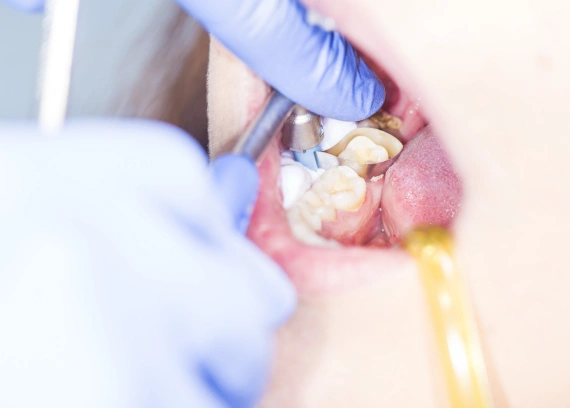
After getting a tooth removed, many people start worrying about pain, swelling, or unusual changes in their mouth. It can be difficult to understand whether these symptoms are part of normal healing or a sign of infection. This confusion often leads to stress, especially when discomfort does not go away as expected.
Understanding tooth extraction infection can help you stay calm and take the right steps at the right time. In this guide, you will learn about the signs, causes, treatment options, and ways to prevent infection so you can recover safely and confidently.
What Is a Tooth Extraction Infection?
After a tooth is removed, your body naturally starts healing the empty space left behind, known as the socket. This process begins immediately with the formation of a blood clot that protects the underlying bone and nerves. In most cases, healing happens smoothly without any problems, especially when proper care is taken.
However, sometimes bacteria can enter the extraction site and disturb this healing process. A tooth extraction infection occurs when harmful bacteria multiply in the socket, gum, or nearby tissues. This can happen if the blood clot is dislodged, food particles get trapped, or oral hygiene is not maintained properly. As a result, the area may become inflamed, painful, and slow to heal.
An infection can affect not only the surface of the gum but also deeper tissues if left untreated. Common symptoms may include increasing pain, swelling, pus formation, and an unpleasant taste or smell in the mouth. In more serious cases, it may even lead to fever or spreading infection.
The good news is that early detection makes treatment much easier and more effective. If you notice unusual symptoms, getting timely dental care can prevent complications and help restore normal healing. With proper attention and care, most tooth extraction infections can be treated successfully and recovery can get back on track.
Signs of Tooth Extraction Infection
Many people confuse normal healing with infection, but the key difference is that infection symptoms usually increase over time instead of improving. Paying attention to how your body responds during recovery is very important.
Here are the common signs of tooth extraction infection:
- Pain should gradually reduce after the first couple of days. If the pain becomes stronger or spreads to nearby areas like the jaw or ear, it may indicate infection.
- Mild swelling is normal in the beginning, but it should start decreasing after a few days. Increasing swelling can be a sign that bacteria are affecting the area.
- Pus is a clear sign of infection and should not be ignored. It may appear as a yellow or white discharge coming from the extraction site.
- A persistent unpleasant taste or odor often indicates bacterial buildup or infection in the socket.
- If your body temperature rises or you feel weak and tired, it may mean that the infection is affecting your overall health.
- Some redness is normal, but excessive redness, warmth, or sensitivity can signal inflammation caused by infection.
If you notice any of these symptoms, it is important not to ignore them. Early treatment can prevent the infection from spreading and help you recover faster with less discomfort.
Causes of Infection After Tooth Extraction
In many cases, infections are not due to major issues but simple mistakes during the recovery period. Understanding these causes can help you take the right precautions and avoid complications.
Here are the common causes of infection after tooth extraction:
- Not keeping your mouth clean allows bacteria to grow around the socket. This can lead to infection and delay healing.
- Smoking reduces blood flow and can disturb the blood clot in the socket. It also introduces harmful chemicals that increase the risk of infection.
- Small food particles can get trapped in the empty space, creating a place for bacteria to grow and cause infection.
- People with low immunity may take longer to heal and are more likely to develop infections after dental procedures.
- Ignoring aftercare guidelines, such as rinsing too hard or eating the wrong foods, can disturb the healing process and increase risk.
- Existing bacteria in the mouth can multiply quickly if proper care is not taken, leading to infection in the extraction area.
Most of these causes can be easily avoided with proper care and attention. By following basic hygiene practices and your dentist’s advice, you can greatly reduce the chances of infection and support a smooth recovery.
How to Treat Tooth Extraction Infection
With the right treatment and guidance, most infections can be controlled quickly and healing can return to normal. The goal is to remove bacteria, reduce inflammation, and support proper recovery.
Here are the common ways to treat tooth extraction infection:
- Cleaning the socket: The dentist may gently clean the extraction site to remove bacteria, food particles, or debris that could be causing the infection. This helps create a clean environment for healing
. - Antibiotics: In many cases, antibiotics are prescribed to control bacterial growth and stop the infection from spreading. It is important to complete the full course as advised.
- Pain relief medication: Painkillers may be recommended to reduce discomfort and make daily activities more manageable during recovery.
- Removal of trapped debris: If food or debris is stuck in the socket, the dentist may remove it carefully. This helps reduce irritation and allows the area to heal properly.
If you are experiencing complications or want safe care, choosing a professional tooth extraction treatment ensures proper procedure and reduces the risk of infection. Proper treatment not only relieves pain but also supports faster healing and prevents further issues.
How to Prevent Infection After Tooth Extraction
Taking proper precautions during the first few days is especially important, as this is when the socket is most sensitive and at higher risk of infection.
Here are some important prevention tips to follow:
- Keeping your mouth clean helps prevent bacteria from building up around the extraction site. Brush your teeth gently and avoid the area for the first day, then rinse lightly with warm salt water after 24 hours.
- Smoking can slow down healing and increase the risk of infection. It can also disturb the blood clot, which is essential for protecting the socket.
- Your dentist provides specific guidelines based on your condition. Following these instructions carefully helps ensure proper healing and reduces the risk of complications.
- Stick to soft foods like yogurt, soup, or mashed items for a few days. Avoid hard, spicy, or crunchy foods that may irritate the socket or get stuck in it.
- Avoid touching the area with your fingers or tongue. Disturbing the socket can dislodge the blood clot and increase the chances of infection.
By following these simple but important precautions, you can protect the healing area and significantly reduce the risk of infection, allowing your recovery to be smooth and comfortable.
When to See a Dentist
After a tooth extraction, some level of discomfort is expected, but your condition should improve gradually each day. If your symptoms do not improve or start getting worse, it may be a sign that something is not healing properly.
Knowing when to visit a dentist can help you avoid serious complications and ensure that your recovery stays on track. Ignoring warning signs can lead to delayed healing or infection spreading to nearby areas.
Pain increases instead of decreasing
It is normal to feel pain for a few days after extraction, but it should slowly reduce. If the pain becomes stronger, sharper, or spreads to other areas, it may indicate a problem that needs professional attention.
Swelling becomes worse
Mild swelling is common in the beginning, but it should start going down after a few days. If swelling increases, feels hard, or spreads to your face or jaw, it could be a sign of infection.
You notice pus or signs of infection
Any discharge, especially yellow or white pus, is not normal. It usually means that bacteria are present in the socket and treatment is required.
You develop fever or feel unwell
Fever, weakness, or general discomfort may indicate that the infection is affecting your overall health. This should not be ignored and needs immediate care.
Bleeding continues for a long time
Some bleeding is expected in the first 24 hours, but if it continues heavily beyond that or does not stop, it is important to consult a dentist.
Seeking professional help at the right time can prevent complications and make your recovery smoother. Early treatment ensures that the issue is controlled quickly and helps you return to normal healing without further discomfort.
How Long Does an Infection Last?
The duration of a tooth extraction infection can vary from person to person, depending on how severe the infection is and how quickly treatment begins. In many cases, mild infections start to improve within a few days once proper care and medication are followed. Early treatment helps control the spread of bacteria and supports faster healing of the affected area.
However, if the infection is more serious or has been left untreated for a longer time, recovery may take more time. In such cases, a dentist may need to clean the area thoroughly and prescribe antibiotics or other treatments to manage the condition. Following your dentist’s advice, maintaining oral hygiene, and taking medications as directed are essential steps to ensure smooth and timely recovery.
Conclusion
Tooth extraction infection can feel worrying, especially when you are unsure whether your symptoms are normal or not. Understanding the signs, causes, and treatment options helps you stay informed and take the right steps during recovery. Most infections can be managed easily if they are identified early, so paying attention to changes in pain, swelling, or discomfort is very important.
If your symptoms improve over time, your healing is likely on track. However, if you notice worsening pain, swelling, or signs of infection, it is best to seek professional care without delay. Timely treatment can prevent complications and ensure a smooth recovery. If you need expert help or guidance, contact for professional dental care or book an appointment to ensure safe and comfortable healing.