
Dental problems can affect anyone, but many common issues can be reduced with good daily oral hygiene and regular dental care. Problems such as cavities, gum disease, tooth sensitivity, bad breath, and tooth damage can develop gradually, sometimes before you notice clear symptoms.
Understanding the common signs and causes of these problems can help you take action early. In this guide, we’ll look at some of the most common dental problems and simple ways to help prevent them, along with when it may be time to see a dentist.
1.Tooth Decay and Cavities
Tooth decay is one of the most common dental problems and can affect both children and adults. It develops when bacteria in the mouth interact with sugars from food and drinks, producing acids that gradually weaken tooth enamel. If decay is not addressed, it can progress deeper into the tooth and eventually lead to pain, infection, or more extensive dental treatment.
Common Signs of Tooth Decay
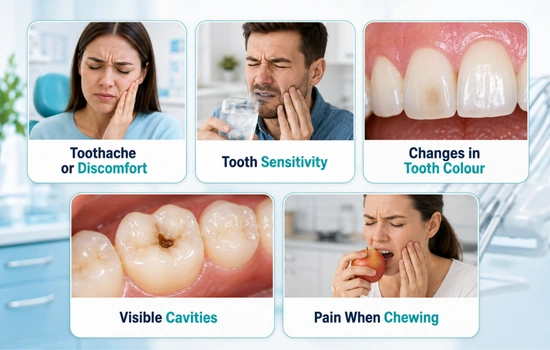
Tooth decay does not always cause noticeable symptoms in its early stages. As it progresses, you may notice:
- Toothache or discomfort: Pain may occur in one tooth or become more noticeable when eating or drinking.
- Tooth sensitivity: Hot, cold, or sweet foods and drinks may cause discomfort.
- Changes in tooth colour: White, brown, or dark spots may appear on the tooth.
- Visible cavities: More advanced decay can create a hole or rough area in the tooth.
- Pain when chewing: Discomfort while biting or chewing may occur as decay progresses.
How to Prevent Tooth Decay
A few simple habits can help reduce your risk of cavities and support healthier teeth:
- Brush twice a day: Use fluoride toothpaste and brush all tooth surfaces thoroughly.
- Clean between your teeth: Floss or use interdental cleaning tools to remove plaque and food from areas your toothbrush cannot reach.
- Limit sugary foods and drinks: Frequent exposure to sugar can increase the risk of tooth decay.
- Choose water regularly: Water helps keep your mouth hydrated and is a better everyday choice than sugary drinks.
- Visit your dentist regularly: Routine check-ups can help identify early signs of decay and allow problems to be addressed sooner.
For more practical advice, read our guide on how to prevent tooth cavities.
2.Gum Disease
Gum disease is a common oral health problem that affects the tissues supporting your teeth. It often begins with plaque buildup along the gum line. If plaque is not removed regularly, it can irritate the gums and cause inflammation. When left untreated, gum problems can become more serious and affect the tissues and bone that support the teeth.
Common Signs of Gum Disease
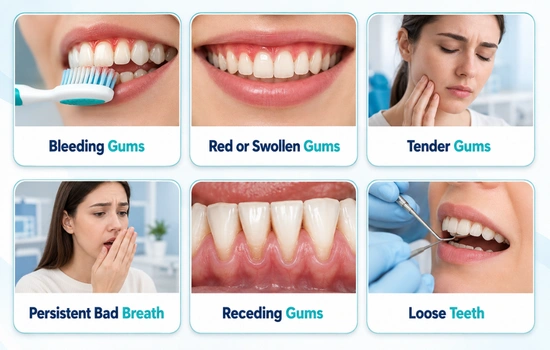
Early gum problems may be easy to overlook, so it is important to pay attention to changes in your gums. Common signs include:
- Bleeding gums: Gums that bleed during brushing or flossing may be a sign of inflammation.
- Red or swollen gums: Healthy gums should generally look firm and pink rather than noticeably red or swollen.
- Tender gums: Your gums may feel sore or uncomfortable when brushing or eating.
- Persistent bad breath: Ongoing unpleasant breath can sometimes be associated with gum problems.
- Receding gums: Gums that gradually pull away from the teeth can expose more of the tooth surface.
- Loose teeth: Advanced gum problems can affect the tissues supporting your teeth.
How to Prevent Gum Disease
Good daily oral hygiene can help keep your gums healthy and reduce plaque buildup:
- Brush twice a day: Clean your teeth and gum line gently using a fluoride toothpaste.
- Clean between your teeth: Floss or use interdental cleaning tools to remove plaque from between the teeth.
- Avoid tobacco products: Tobacco use can increase the risk of gum problems and make it harder for gums to heal.
- Maintain regular dental visits: Professional cleanings and dental check-ups help remove buildup and allow your dentist to monitor your gum health.
- Pay attention to bleeding: If your gums regularly bleed or remain swollen, arrange a dental appointment rather than ignoring the symptoms.
If you notice ongoing bleeding, swelling, tenderness, or other changes in your gums, professional dental assessment can help identify the cause and determine the appropriate care.
3.Tooth Sensitivity
Tooth sensitivity is a common dental problem that can cause a sudden, uncomfortable sensation when your teeth come into contact with hot, cold, sweet, or acidic foods and drinks. It can happen when the protective enamel becomes worn or when the tooth root becomes exposed, allowing external sensations to reach the more sensitive inner parts of the tooth.
Common Causes of Tooth Sensitivity
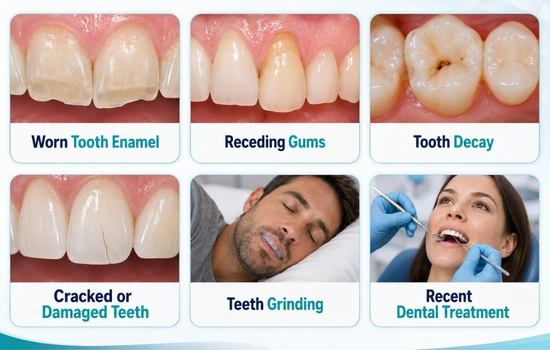
Tooth sensitivity can develop for several reasons, including:
- Worn tooth enamel: Aggressive brushing, acidic foods, or other factors can gradually weaken the enamel.
- Receding gums: When gums move away from the teeth, the more sensitive root surface may become exposed.
- Tooth decay: Cavities can cause sensitivity, particularly as decay moves deeper into the tooth.
- Cracked or damaged teeth: A crack can expose sensitive areas of the tooth and cause discomfort.
- Teeth grinding: Regular clenching or grinding can contribute to enamel wear and increased sensitivity.
- Recent dental treatment: Some people experience temporary sensitivity after procedures such as teeth whitening or dental restorations.
How to Manage and Prevent Tooth Sensitivity
You can help reduce sensitivity by taking care of your teeth and avoiding habits that may increase enamel wear:
- Use a soft-bristled toothbrush: Brush gently rather than applying excessive pressure.
- Choose fluoride toothpaste: Fluoride helps strengthen and protect tooth enamel.
- Limit acidic foods and drinks: Frequent exposure to acidic foods and beverages can contribute to enamel erosion.
- Avoid very hot or cold foods if they trigger discomfort: This can help minimise symptoms while the cause is being addressed.
- Visit your dentist: Persistent or worsening sensitivity should be checked to rule out cavities, gum problems, cracks, or other dental concerns.
If tooth sensitivity continues or becomes more noticeable, understanding the causes, treatment, and prevention of tooth sensitivity can help you identify possible triggers and know when to seek dental advice.
4.Bad Breath
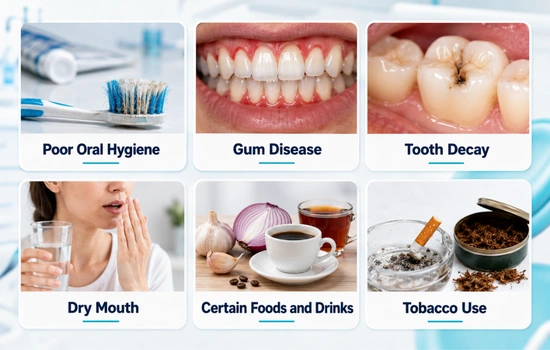
Bad breath, also known as halitosis, is a common dental concern that can affect your confidence and may sometimes indicate an underlying oral health problem. It can develop from bacteria and food particles in the mouth, but persistent bad breath may also be linked to gum disease, tooth decay, dry mouth, or other conditions.
Common Causes of Bad Breath
Bad breath can be caused by several everyday factors, including:
- Poor oral hygiene: Plaque, food particles, and bacteria can build up on the teeth, tongue, and along the gum line.
- Gum disease: Ongoing gum inflammation can contribute to an unpleasant smell or taste.
- Tooth decay: Cavities and damaged teeth can sometimes cause persistent bad breath.
- Dry mouth: Reduced saliva flow can allow bacteria to build up more easily.
- Certain foods and drinks: Foods such as garlic, onions, and some strongly flavoured ingredients can temporarily affect breath.
- Tobacco use: Smoking and other tobacco products can contribute to unpleasant breath and increase the risk of gum problems.
How to Prevent Bad Breath
Maintaining good oral hygiene can help keep your breath fresher and reduce the buildup of odour-causing bacteria:
- Brush twice a day: Clean your teeth and gum line thoroughly with fluoride toothpaste.
- Clean your tongue: Gently cleaning the tongue can help remove bacteria and buildup.
- Floss daily: Cleaning between your teeth helps remove trapped food and plaque.
- Drink plenty of water: Staying hydrated can help prevent dry mouth.
- Avoid tobacco products: This can benefit both your breath and overall oral health.
- Visit your dentist regularly: Persistent bad breath should be checked to identify and treat any underlying dental problem.
Persistent bad breath can have several causes, so understanding what causes bad breath and how to prevent it can help you take the right steps to maintain better oral health.
5.Tooth Discolouration and Stains
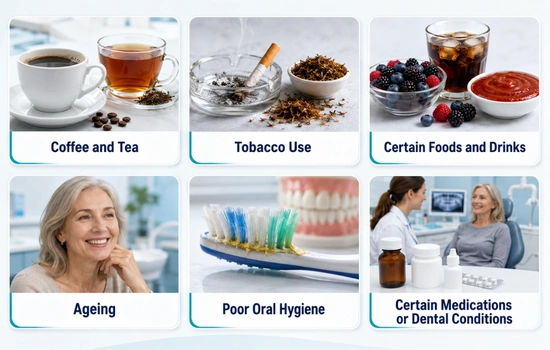
Tooth discolouration is another common dental concern. Teeth can become darker or develop stains over time due to certain foods, drinks, lifestyle habits, ageing, or changes within the tooth itself. While some staining is only cosmetic, a change in tooth colour can sometimes be related to an underlying dental issue.
Common Causes of Tooth Discolouration
- Coffee and tea: Regular consumption can gradually leave stains on the surface of the teeth.
- Tobacco use: Smoking and other tobacco products can cause noticeable yellow or brown staining.
- Certain foods and drinks: Dark-coloured foods and beverages can contribute to surface staining.
- Ageing: Tooth enamel naturally becomes thinner over time, allowing the darker inner layer of the tooth to become more visible.
- Poor oral hygiene: Plaque buildup can make teeth appear dull or discoloured.
- Certain medications or dental conditions: Some types of internal discolouration may require professional assessment.
How to Prevent Tooth Stains
You can reduce everyday staining by maintaining good oral hygiene and being mindful of habits that can affect tooth colour.
- Brush twice a day: Regular brushing helps remove plaque and surface deposits.
- Clean between your teeth: Flossing helps remove buildup from areas your toothbrush cannot reach.
- Rinse with water: Drinking or rinsing with water after strongly coloured foods and drinks can help reduce the time they remain in contact with your teeth.
- Limit tobacco use: Avoiding tobacco can help reduce staining while also supporting better oral health.
- Attend regular dental cleanings: Professional cleaning can remove some surface stains and buildup that cannot be fully removed at home.
If you are concerned about the colour of your teeth, your dentist can determine whether the discolouration is surface staining or something that needs further assessment.
6.Chipped, Cracked and Worn Teeth
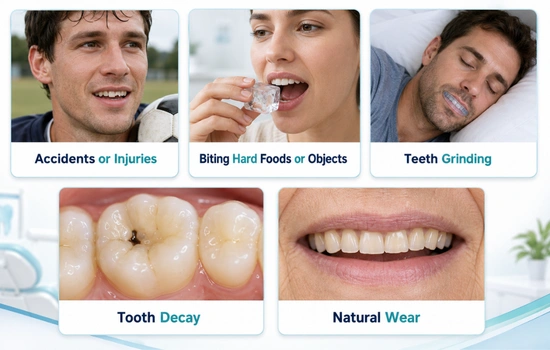
Teeth can become chipped, cracked, or worn for a variety of reasons, including accidents, biting hard foods, teeth grinding, or everyday wear over time. Even a small change in the shape of a tooth can affect its appearance, sensitivity, or function, so it is important not to ignore noticeable damage.
Common Causes of Tooth Damage
- Accidents or injuries: A fall, sports injury, or impact to the mouth can chip or crack a tooth.
- Biting hard foods or objects: Ice, hard sweets, or non-food objects can place excessive pressure on the teeth.
- Teeth grinding: Repeated grinding or clenching can gradually wear down the enamel and weaken the teeth.
- Tooth decay: Decay can weaken the structure of a tooth and make it more vulnerable to breaking.
- Natural wear: Teeth can gradually become worn with age and repeated use.
How to Protect Your Teeth
Simple habits can help reduce the risk of chips, cracks, and excessive tooth wear:
- Avoid chewing hard objects: Do not use your teeth to open packages or bite non-food items.
- Protect your teeth during sports: Consider wearing a properly fitted mouthguard during contact or high-impact activities.
- Address teeth grinding: If you grind or clench your teeth, speak with your dentist about suitable ways to protect them.
- Maintain good oral hygiene: Healthy teeth are better able to withstand everyday pressure.
- Treat dental problems early: Cavities and other weakened areas should be assessed before they lead to further damage.
If a tooth becomes chipped or cracked, arrange a dental appointment even if the damage does not initially cause pain. Your dentist can assess the tooth and determine whether it needs monitoring, repair, or further treatment.
How to Prevent Common Dental Problems
Many common dental problems can be reduced with consistent daily care and regular professional check-ups. Small habits, when followed regularly, can help protect your teeth and gums and reduce the risk of problems developing over time.
- Brush twice a day: Use fluoride toothpaste and brush gently for about two minutes, making sure you clean all tooth surfaces and along the gum line.
- Clean between your teeth: Floss or use interdental cleaning tools daily to remove plaque and food particles from areas your toothbrush cannot reach.
- Limit sugary foods and drinks: Frequent sugar intake can increase the risk of tooth decay, so try to keep sugary foods and drinks to mealtimes where possible.
- Drink plenty of water: Water helps keep your mouth hydrated and can help wash away food particles after eating.
- Avoid tobacco products: Smoking and tobacco use can contribute to staining, bad breath, gum disease, and other oral health problems.
- Protect your teeth: Wear a suitable mouthguard during contact sports and avoid using your teeth to bite hard objects or open packaging.
- Visit your dentist regularly: Routine check-ups allow your dental team to monitor your oral health and identify potential problems early.
Good oral hygiene at home is essential, but it works best alongside professional dental care. Regular check-ups and professional cleanings can help maintain healthy teeth and gums and address concerns before they become more complicated.
When Should You See a Dentist?
Some dental problems can develop gradually, while others may need prompt attention. Seeing a dentist when you notice changes in your teeth or gums can help identify the cause and prevent a minor concern from becoming more serious.
You should consider booking a dental appointment if you experience:
- Ongoing tooth pain or sensitivity
- Bleeding, swollen, or painful gums
- Persistent bad breath
- A chipped, cracked, or damaged tooth
- Loose or shifting teeth
- Visible cavities or changes in tooth colour
- Pain or difficulty when chewing
- Swelling around the teeth or gums
Even when there is no obvious problem, regular dental check-ups are important for monitoring your oral health and identifying potential concerns early.
For a more detailed checklist, explore 10 Signs You Need a Dentist Before the Problem Gets Worse.
Conclusion
Common dental problems such as cavities, gum disease, tooth sensitivity, bad breath, tooth discolouration, and damaged teeth can affect your oral health in different ways. Recognising the early signs and maintaining good daily habits can help reduce your risk and support healthier teeth and gums.
Regular brushing, cleaning between your teeth, a balanced diet, and routine dental check-ups all play an important role in prevention. If you notice ongoing pain, sensitivity, bleeding gums, swelling, or other changes in your mouth, book an appointment with our dental team for personalised advice and care.